Our Blog

Mulch Washing Away: How to Keep Landscape Beds Covered After Rain
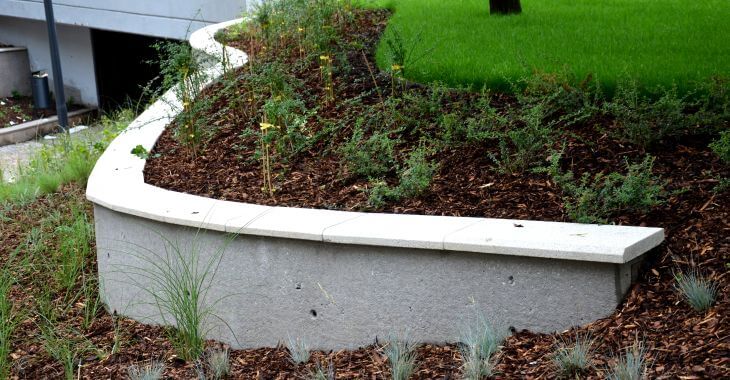
 

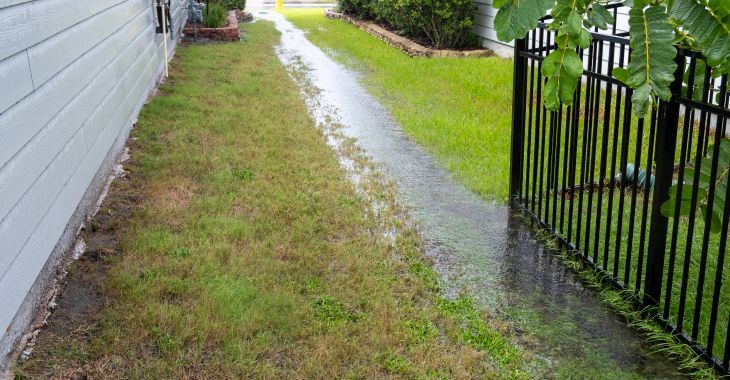
Mulch washing away usually means water is moving across a landscape bed with enough force to carry loose material. Heavy rain can expose problems with slope, runoff, downspouts, or how the bed is contained. Replacing the missing mulch may improve the bed for a while, but the same problem can return after the next storm…
Mushrooms in Lawn: What Causes Them and What You Can Do


mushrooms in lawn

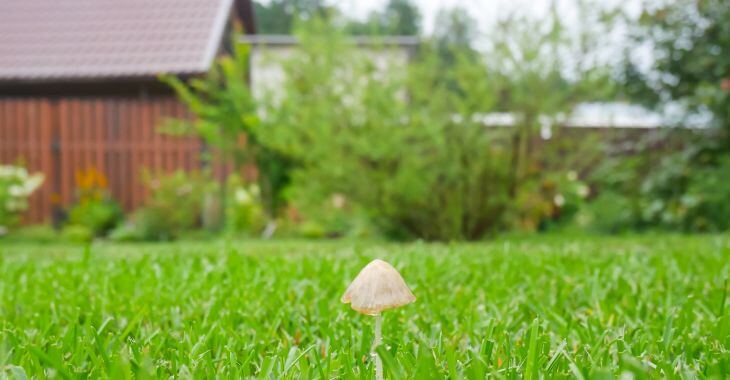
Mushrooms in lawn usually pop up after rain or heavy watering, especially if your soil stays damp. They grow from fungi already living below the surface and feed on decaying organic material. Seeing mushrooms doesn’t mean your grass is diseased. Most of the time, they’re just the fruiting bodies of fungi breaking down buried roots,…

Grass Turning Yellow: Common Causes and What to Do


a lawn with yellowish grass

If you see grass turning yellow, your lawn is probably stressed. Too much or too little water, low nutrients, compacted soil, mowing problems, disease, pests, or chemical damage can all play a part. The pattern gives you your first clue. If your whole lawn fades slowly, that’s a different issue than a single bright yellow…

Tree Root Issues: What Surface Roots and Buried Root Flares Mean


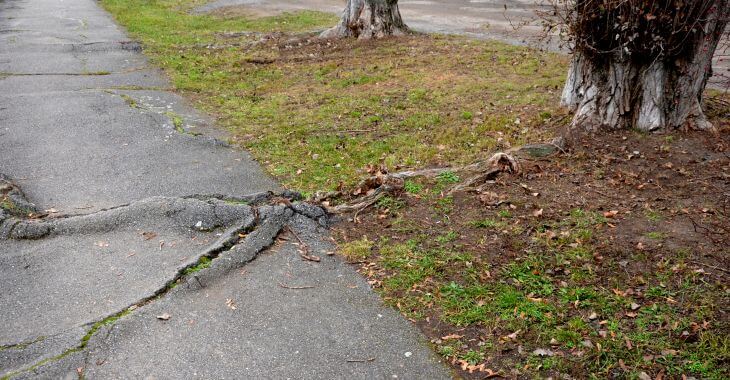
An asphalt paver damaged by roots of trees

Tree root issues can show up as exposed roots, raised turf, cracked soil, or a trunk that enters the ground without widening. Some signs are normal, but others point to soil, planting depth, or root-zone problems. Visible roots don’t always mean your tree is unhealthy, but cutting, burying, or changing the soil around the trunk…

Garden Flooding: How Rain Gardens Manage Runoff and Overflow


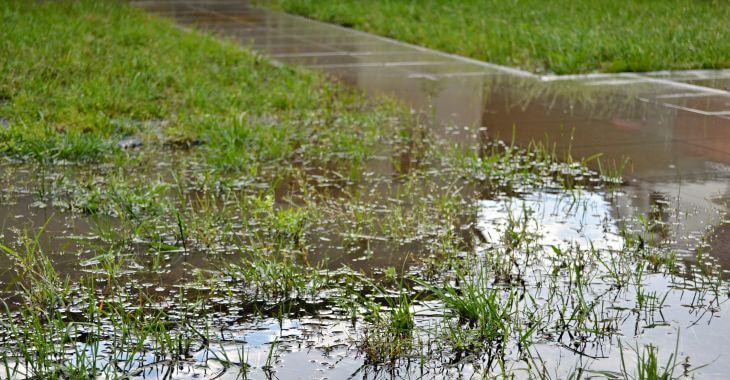
flooded garden

Garden flooding can leave your plants waterlogged, wash mulch out of place, and turn low spots into mud after storms. If runoff keeps collecting in one part of your yard, a rain garden can help by letting the soil absorb it. A rain garden is more than just a hole with water-loving plants. You’ll want…

Mulch Breakdown: What Happens as Mulch Ages in Landscape Beds


a gardener checking the soil quality

Mulch breakdown happens naturally as organic mulch changes over time. As mulch ages, you’ll notice it fading, settling, thinning out, growing fungi, or turning darker and more soil-like near the surface. Most of these changes are normal. Still, mulch can cause problems if it gets too deep, stays too wet, touches plant stems, or gets…

Landscape Grading: How to Fix Yard Slope Problems Near Your Home


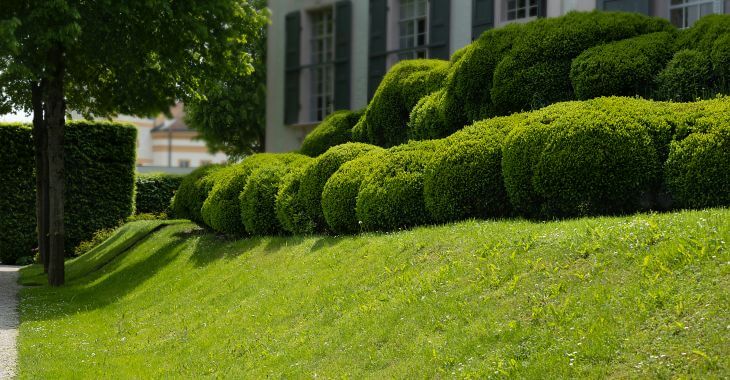
A landscaped and graded slope next to the home wall

Landscape grading helps shape the ground around your home, so surface water has somewhere useful to go. If your yard slopes toward the house, water may collect near the foundation, patio, steps, or basement windows after rain. It’s easy to miss a slope problem when the weather’s dry. After a storm, though, puddles, soggy soil,…

Lawn Leveling: How to Fix Low Spots and Build a Smoother Yard


A backyard with a manicured lawn.

Lawn leveling helps smooth uneven areas, fill shallow dips, and make your yard easier to mow and enjoy. If you see puddles after rain or feel bumps underfoot, the soil may need careful correction instead of another quick patch. A level lawn also helps water move more evenly across the surface. When low areas collect…

Small Drops, Big Results: Why Micro Irrigation Is Transforming Modern Watering Systems


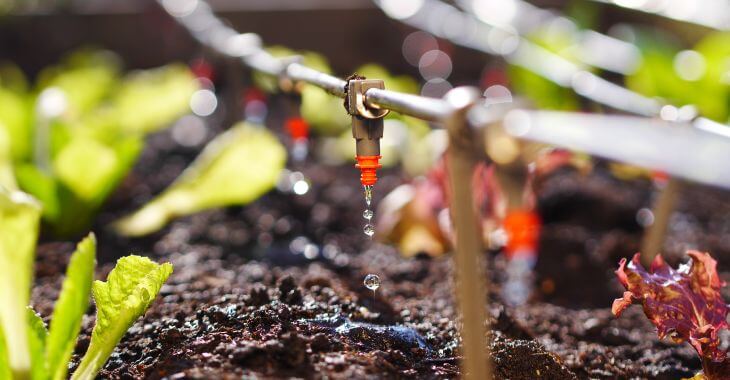
micro irrigation system

Water conservation has become one of the most important challenges in landscaping, agriculture, and property maintenance. Traditional irrigation methods often waste large amounts of water through runoff, evaporation, and uneven distribution. Micro irrigation has emerged as one of the most effective solutions for delivering water directly where plants need it most. By using controlled low-volume…

Why Your Yard Stays Wet: Solving Soggy Yard Spots for Good


backyard wit a soggy spots

Soggy yard spots are more than just an annoyance. They can limit how you use your outdoor space, damage landscaping, and even affect your home’s foundation over time. If your lawn stays wet long after rain, there’s usually a clear reason behind it. Many homeowners assume poor drainage is the only cause, but the issue…