Mulch Washing Away: How to Keep Landscape Beds Covered After Rain
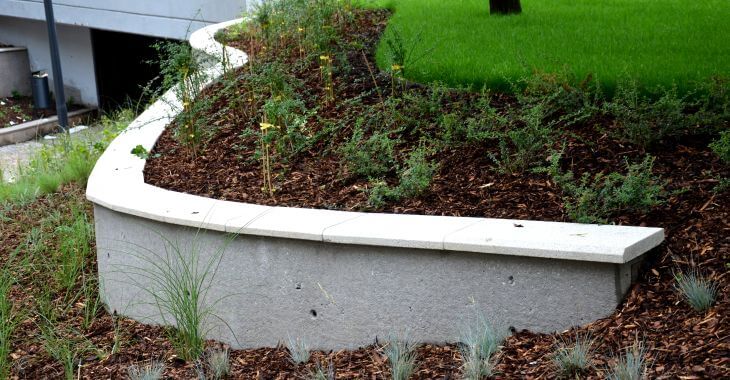
Mulch washing away usually means water is moving across a landscape bed with enough force to carry loose material. Heavy rain can expose problems with slope, runoff, downspouts, or how the bed is contained.
Replacing the missing mulch may improve the bed for a while, but the same problem can return after the next storm if water keeps following the same path.
Why Is Your Mulch Washing Away?
Several conditions can leave you with mulch washing away. Sloped beds, downspouts, runoff from patios or walkways, compacted soil, and bare areas can all concentrate water in one part of the landscape.
Mulch type also matters. Lightweight or very fine material may move more easily than heavier, coarser mulch when water crosses the bed.
Normal settling is different from erosion. If mulch keeps collecting downhill, spilling over edging, or leaving exposed soil behind, runoff is probably playing a larger role.
How Water Creates Mulch Erosion
Mulch erosion happens when moving water carries mulch away faster than the bed can hold it in place. Concentrated runoff can cut small channels through the surface and push material toward the lowest point.
Once the mulch moves, soil underneath may become exposed. Repeated storms can deepen those channels and make the bed look uneven even after you spread the mulch back out.
That is why repeated mulch erosion can be more than a cosmetic problem. It may show that the bed is receiving more runoff than its current slope or surface can handle.
Does Mulch Type Affect How Well It Stays Put?
The mulch you choose can affect how easily it moves. Fine, lightweight pieces may float or wash downhill more readily during heavy rain.
Coarser wood chips or shredded bark may stay in place better in some beds because the pieces can interlock and resist movement. Still, no mulch type can overcome strong, concentrated runoff forever.
Mulch should match the bed instead of acting as the only erosion-control measure. A steep slope or drainage path may need extra help, even if the mulch itself is well chosen.
On exposed slopes, planting density can matter too. Groundcovers and other suitable plants help protect soil and slow surface movement as roots fill in. They are not an instant fix, but they can make a sloped bed more stable over time.

Mulch Breakdown: What Happens as Mulch Ages in Landscape Beds
Mulch breakdown happens naturally as organic mulch changes over time. As mulch ages, you’ll notice it fading, settling, thinning out, growing fungi, or tu...Read More about Mulch Breakdown: What Happens as Mulch Ages in Landscape Beds
How to Keep Mulch in Place on a Slope
Learning how to keep mulch in place starts with reducing water force before it crosses the bed. Slowing runoff is usually more useful than simply adding a thicker layer.
Look at where water enters the area. Downspouts, hard surfaces, and nearby slopes can all send extra runoff into one narrow path.
Keep mulch below the top edge of the bed so it has room to settle without spilling out. Plants can also help stabilize the soil over time as their roots spread through the slope.
On steeper areas, erosion-control materials or other stabilization methods may help hold the surface while plants establish.
If mulch keeps washing away from the same spot, controlling the water path is usually more useful than simply adding more mulch.
What Edging Can and Cannot Do
Edging can help contain loose mulch along the border between a bed and the lawn, walkway, or driveway. It can also make cleanup easier after light movement.
However, edging cannot stop water from rushing through the bed. Strong runoff can pile mulch against the edge, carry it over the top, or create a new channel around it.
If you install edging without correcting the water path, the bed may still lose mulch after heavy rain.
Before adding more mulch, rake displaced material back into the bed when it is still clean and usable. This can show where the washout starts and may reduce how much new mulch you need while you work on the underlying problem.
When Drainage or Grading May Need Attention
Repeated mulch washing away can point to a larger drainage or grading issue. Pay attention to whether the same areas lose mulch every time it rains.
Watch for channels, exposed soil, standing water, downspouts that empty into the bed, or runoff coming from another part of the property.
A grading problem may send water downhill too quickly, while compacted soil can limit how fast water soaks in. In either case, changing the mulch alone may not solve the problem.
Getting a Repeated Mulch Problem Checked
One heavy storm may move mulch even in a well-maintained bed. When the same section washes out again and again, the pattern can tell you more about how water is moving across the property.
If replacing mulch has become a regular chore, it may be worth having the slope and runoff path checked before adding another layer.
Compare local landscapers based on whether they look at drainage, grading, bed design, and mulch type. A useful plan should address why the mulch moves, not just replace what disappeared.