Garden Flooding: How Rain Gardens Manage Runoff and Overflow
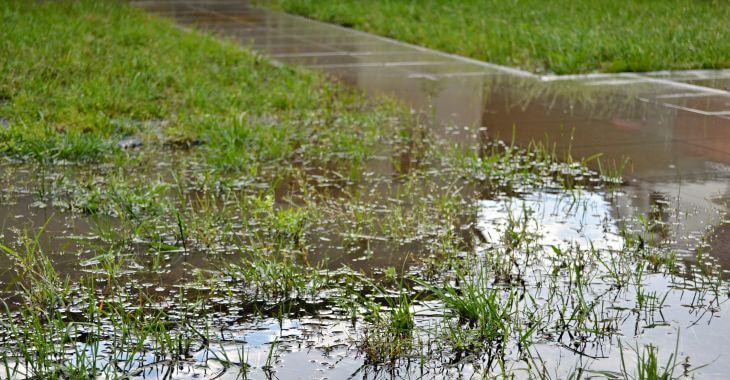
Garden flooding can leave your plants waterlogged, wash mulch out of place, and turn low spots into mud after storms. If runoff keeps collecting in one part of your yard, a rain garden can help by letting the soil absorb it.
A rain garden is more than just a hole with water-loving plants. You’ll want the right location, enough surface area, well-draining soil, and a safe way for excess water to drain.
What Causes Garden Flooding?
Garden flooding often starts when water gets to your garden faster than the soil can soak it up. Roof runoff, downspouts, patios, compacted soil, and nearby slopes can all send extra water into one planting bed.
Low spots hold water when the ground settles or your yard slopes toward them. Heavy clay soil slows drainage, and bare soil can wash away during storms.
Before you pick a solution, watch where the water comes in and how long it sticks around. Rain gardens work best for manageable runoff, not for broken pipes, sewage problems, or major drainage failures.
When a Rain Garden May Help
A rain garden is a shallow, planted depression that temporarily collects runoff. Water then soaks into the soil, evaporates, or gets used by your plants instead of running across your yard.
You can use this approach to help with garden flooding from roof runoff, driveway edges, patios, or other hard surfaces. Place the garden far enough from your house and where water can reach it safely.
Your rain garden shouldn’t stay full like a pond. If water sits for too long, the soil may drain too slowly, the garden might be too small, or the outlet could need some work.
How a Rain Garden Sizing Formula Works
A basic rain garden sizing formula starts with the area that sends water into your garden. That drainage area could include part of your roof, patio, driveway, or compacted lawn.
The general idea is:
- Measure the drainage area.
- Consider how quickly the soil absorbs water.
- Account for the planned garden depth.
- Choose a sizing factor that fits those conditions.
Multiply the drainage area by the sizing factor to estimate your garden’s surface area. The percentage will change based on your soil type, garden depth, and local rainfall.
A landscaper may perform an infiltration or percolation check before using a rain garden sizing formula. If the soil drains too slowly, you might need soil amendments, an underdrain, a new location, or a different solution.
Why Your Yard Stays Wet: Solving Soggy Yard Spots for Good
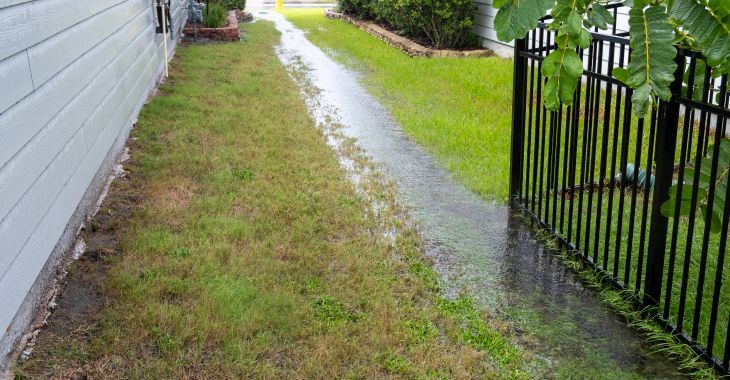
Soggy yard spots are more than just an annoyance. They can limit how you use your outdoor space, damage landscaping, and even affect your home’s foundation ov...Read More about Why Your Yard Stays Wet: Solving Soggy Yard Spots for Good
Why Soil and Location Change the Plan
Your soil affects both the size of your rain garden and how long it holds water. Fast-draining soil may need less surface area, while slower soil might need a larger bed or a shallower design.
Location matters just as much. Make sure your garden doesn’t send water toward your house, a septic area, a retaining wall, or a neighbor’s property. Underground utilities and tree roots can also limit where it’s safe to dig.
Choose plants that match your garden’s wet and dry cycles. The center usually stays wetter after storms, while the edges dry out sooner. Picking plants by moisture zone helps your bed handle changing conditions.
Your rain garden needs enough room to hold runoff and a safe way for extra water to flow out if the soil can’t absorb it all.
What Overflow Spillway Design Needs to Do
Even a well-sized rain garden can fill up during a big storm. Overflow spillway design gives extra water a safe way out, so it won’t cut through mulch, flood your plants, or head toward your house.
The spillway usually sits at a low point along your garden’s edge. Make it wide enough to let water out without creating a fast, narrow stream that erodes the soil.
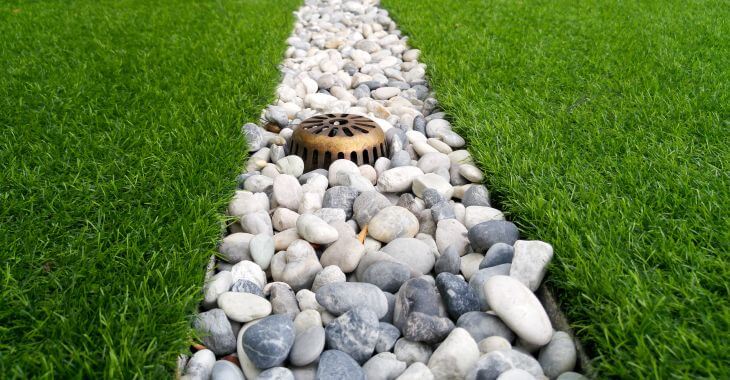
Stone, dense plants, or another stable surface can help protect the overflow path. Make sure the route leads to a safe drainage area, not a sidewalk, foundation, or neighbor’s yard.
A good overflow spillway design stays visible enough to inspect. Leaves, mulch, sediment, and plant growth can block the outlet, so you’ll want to clear it out now and then.
When a Rain Garden Is Not Enough
Some garden flooding needs more than a planted basin. Water from poor grading, buried drainage problems, overflowing gutters, or runoff from several properties may need a bigger fix.
If water stands for days, you might have very slow-draining soil or a high water table. Digging a deeper rain garden can make things worse in those cases.
A landscaper might suggest grading changes, downspout extensions, drainage pipes, soil fixes, or another runoff plan. The best option depends on where your water starts and where it can safely go.
Getting a Flooded Garden Checked
If the same spot floods after every storm, keep track of where the water comes from and how long it takes to drain. Those details help you see if a rain garden will solve the problem or if your yard needs a different drainage fix.
Look for local landscapers who understand runoff, soil conditions, rain garden sizing, and overflow planning. Ask how they’ll measure your drainage area and where extra water will go before anyone starts digging.