Why Your Yard Stays Wet: Solving Soggy Yard Spots for Good
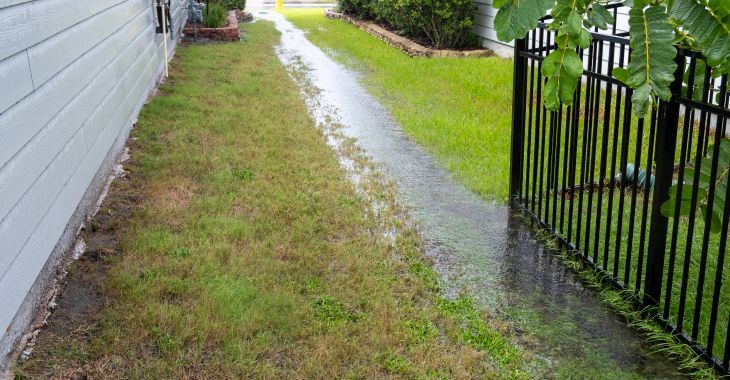
Soggy yard spots are more than just an annoyance. They can limit how you use your outdoor space, damage landscaping, and even affect your home’s foundation over time. If your lawn stays wet long after rain, there’s usually a clear reason behind it.
Many homeowners assume poor drainage is the only cause, but the issue is often more complex. Soil composition, grading, and hidden underground layers all play a role. Understanding what’s happening beneath the surface is the first step toward a lasting fix.
What Causes Soggy Yard Spots?
Water doesn’t just sit in one place without a reason. In many cases, soggy spots in the yard are caused by water not moving downward or away efficiently. This can happen even if your yard looks relatively flat and well-maintained.
One of the most common but overlooked causes is a subsurface layer trapping water. This occurs when dense soil, clay, or compacted material prevents water from draining deeper into the ground. Instead, it collects near the surface and creates persistent wet areas.
Another key factor is something called a perched water table. This forms when water sits above a less permeable soil layer, creating a temporary saturated zone. Proper perched water table identification can help determine whether this is the root of your drainage issue.
Signs You May Have a Drainage Problem
Not all wet areas are the same. Some appear only after heavy rain, while others stay damp for days or even weeks. Knowing what to look for can help you identify the severity of the problem.
Common indicators include:
- Grass that feels spongy underfoot
- Standing water that lasts more than 24–48 hours
- Patchy or thinning lawn growth
- Moss or algae forming in certain areas
- Water pooling near your home’s foundation
Lawns that remain saturated for more than 48 hours can begin to experience root damage. Over time, this weakens turf and makes it more vulnerable to disease and pests.
Why Soil Type Matters More Than You Think
Soil plays a major role in how water behaves in your yard. Sandy soils tend to drain quickly, while clay-heavy soils retain water for much longer. In fact, clay can hold up to 10 times more water than sandy soil, making soggy yard spots far more likely.
Compaction is another issue that often goes unnoticed. Foot traffic, construction, and even mowing can compress soil over time. This reduces pore space, making it harder for water to move through the ground naturally.
When a subsurface layer trapping water is combined with compacted topsoil, the result is a yard that struggles to dry out. This is why surface fixes alone often don’t solve the problem.
The Role of Yard Grading and Slope
Even a slight slope can influence how water moves across your property. Ideally, your yard should direct water away from your home and toward designated drainage areas. When grading is off, water tends to collect in low spots.
In many suburban areas, minor grading issues can lead to noticeable soggy yard spots. A difference of just a few inches in elevation can determine whether water drains properly or lingers in one place.
Professional assessments often reveal that poor grading works together with underground issues like a subsurface layer trapping water. Addressing both is key to a long-term solution.
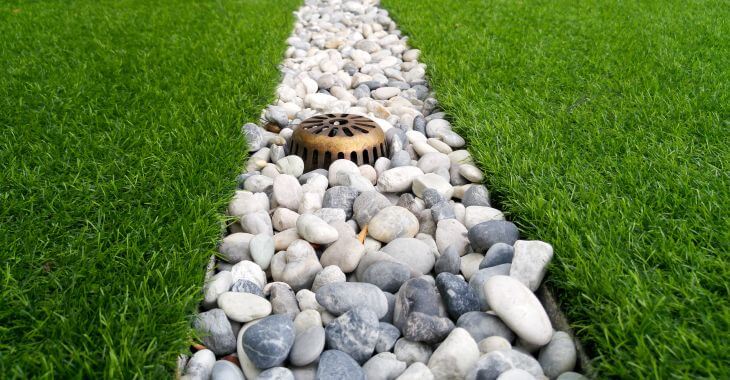
Stop Water Damage Before It Starts: Smart Drainage Solutions That Protect Your Property
Poor drainage is more than an inconvenience. Excess water around your home can weaken foundations, damage landscaping, and create long-term structural issues. S...Read More
Perched Water Table Identification: Why It Matters
Perched water tables are more common than most homeowners realize. They occur when water becomes trapped above a dense soil layer, creating a saturated zone that doesn’t drain easily.
Perched water table identification typically involves observing how quickly water drains after rainfall and sometimes conducting soil tests. In some cases, digging a small test hole can reveal whether water is collecting above a compacted layer.
Understanding this condition is important because it changes how drainage solutions are designed. Standard fixes may not work if the underlying issue isn’t addressed properly.
Practical Solutions That Actually Work
Once you understand the cause of your soggy yard spots, you can choose the right solution. The best approach often involves improving both surface and subsurface drainage.
Some effective options include:
- Installing French drains to redirect water
- Aerating soil to reduce compaction
- Adding organic matter to improve soil structure
- Regrading low areas to promote runoff
- Installing dry wells or catch basins
In more severe cases, breaking through a subsurface layer trapping water may be necessary. This allows water to move deeper into the ground instead of pooling near the surface.
Long-Term Benefits of Fixing Drainage Issues
Addressing soggy yard spots isn’t just about appearance. It can improve the health of your lawn, protect your home, and make your outdoor space more usable year-round.
Well-drained yards are less likely to develop mold, mildew, and pest problems. They also support stronger root systems, leading to thicker, healthier grass. Over time, this reduces maintenance and improves overall property value.
Proper drainage can increase usable yard space by up to 30%. That’s a significant improvement for homeowners who want to enjoy their outdoor areas without constant frustration.
When to Call a Professional
Some drainage problems are simple to fix, but others require a deeper understanding of soil and water movement. If your yard stays wet despite basic efforts, it may be time to bring in an expert.
Professionals can accurately identify the perched water table and determine whether a subsurface layer that traps water is present. They can also design solutions tailored to your specific property conditions.
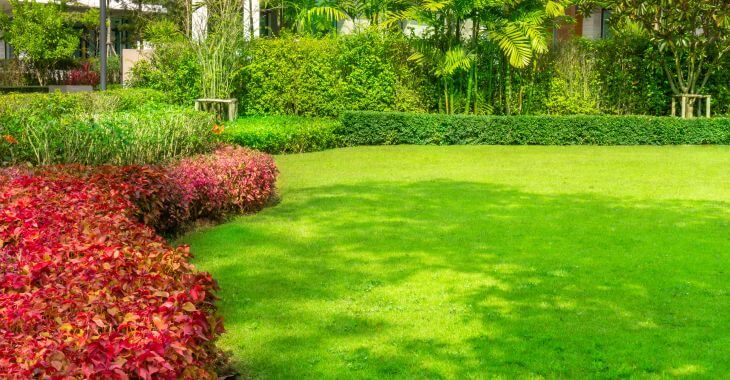
Fixing soggy spots in the yard the right way the first time can save you time, money, and ongoing headaches. With the right approach, even the wettest areas of your yard can become functional and enjoyable again.