Clay Soil Lawn Solutions: How to Grow a Thick, Healthy Yard in Dense Soil Conditions
A clay soil lawn can be difficult to manage, especially when water sits on the surface or grass struggles to take root. The soil’s density creates challenges, but it also holds valuable nutrients. With the right strategy, you can turn problem soil into a strong, healthy lawn.
What Makes a Clay Soil Lawn So Challenging?
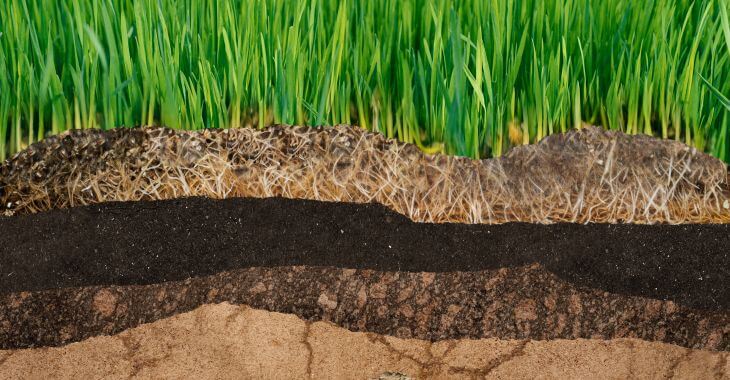
Clay soil is made up of extremely fine particles that pack tightly together. This creates a dense structure that holds water and nutrients well, but limits air circulation and root expansion.
Research shows that clay soils can retain up to 10 times more water than sandy soils, which can be helpful during droughts but problematic during periods of heavy rain. When soil stays too wet, grass roots struggle to breathe and grow properly.
Common characteristics of a clay soil lawn include:
- Sticky, muddy texture when wet
- Hard, compacted surface when dry
- Slow drainage and pooling water
- Limited root penetration
The Impact of Poor Drainage
One of the biggest issues with a clay soil lawn is poor drainage. Because water moves slowly through dense soil, it often collects on the surface or saturates the root zone.
This is where percolation rate testing backyard methods become useful. By digging a small hole, filling it with water, and measuring how long it takes to drain, you can better understand your soil’s ability to absorb moisture.
Poor drainage can lead to:
- Root rot and weakened grass
- Increased lawn diseases
- Mosquito breeding areas
- Long-term soil compaction
According to landscaping studies, poor drainage is responsible for up to 60% of lawn failure issues, making it a critical factor to address.
How Soil Compaction Affects Growth
Clay soil compacts easily, especially under foot traffic or heavy equipment. Compacted soil reduces the space between particles, making it harder for roots to grow and for water and nutrients to circulate.
Signs of compaction include:
- Water pooling on the surface
- Thin or patchy grass
- Difficulty inserting a shovel into the soil
- Increased runoff during rain
Over time, compaction can severely limit the health and appearance of your lawn if not corrected.
The Complete Guide to Soil Aeration: Why It Matters and How to Get It Right
Soil aeration is one of the most effective ways to improve turf health, boost root growth, and help lawns recover from heavy use. By creating openings in the so...Read More about The Complete Guide to Soil Aeration: Why It Matters and How to Get It Right
Improving Soil Structure with Amendments
To improve a clay soil lawn, you need to change the structure of the soil itself. This is typically done by adding amendments that loosen the soil and improve its ability to drain.
A common comparison homeowners make is gypsum vs compost amendment depth when deciding how to treat their lawn.
Here’s how each works:
- Gypsum helps break apart clay particles and reduce compaction
- Compost adds organic matter that improves soil texture and drainage
Experts recommend incorporating these materials to a depth of 6 to 12 inches, though even topdressing can gradually improve soil over time. Consistent application yields the best long-term results.
Aeration: A Critical Step for Clay Soil Lawns
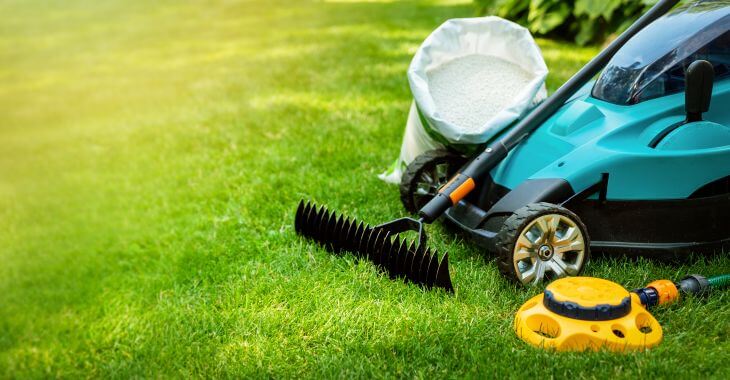
Aeration is one of the most effective ways to manage a clay soil lawn. This process removes small plugs of soil, allowing air, water, and nutrients to penetrate deeper into the ground.
Benefits of aeration include:
- Improved oxygen flow to roots
- Better water absorption
- Reduced compaction
- Stronger root development
Most lawn care experts recommend aerating clay soil once or twice per year, particularly in high-traffic areas. Regular aeration can dramatically improve lawn health over time.
Choosing the Right Grass Type
Grass selection plays a major role in the success of your lawn. Some grass types are better suited to clay soil conditions than others.
Recommended options include:
- Tall fescue for its deep root system
- Bermuda grass for warm climates
- Zoysia grass for durability and density
These grasses are more adaptable to compacted soil and can better tolerate inconsistent moisture levels.
Watering the Right Way
Watering a clay soil lawn requires a different approach than sandy soil. Because clay retains water, overwatering can quickly lead to problems.
Best practices include:
- Water deeply but less frequently
- Allow the soil to dry slightly between watering
- Avoid watering immediately after rainfall
- Check soil moisture before irrigating
Studies show that overwatering is one of the most common lawn care mistakes, especially in clay-heavy areas.
Long-Term Lawn Improvement Takes Time
Improving a clay soil lawn is not a one-time fix. It requires consistent care and patience as the soil structure gradually improves.
Over time, you can expect:
- Better drainage and reduced pooling
- Healthier, deeper root systems
- Thicker, greener grass
- Fewer weeds and disease issues
With ongoing maintenance, even the most compacted soil can become productive and healthy.
Building a Lawn That Lasts
A clay soil lawn may start as a challenge, but it also offers long-term potential when managed correctly. By focusing on drainage, aeration, and soil amendments, you can create an environment where grass thrives.
Using tools like percolation rate testing backyard methods and understanding gypsum vs compost amendment depth strategies will guide your efforts. These small but important steps can make a significant difference in your lawn’s success.
Take Control of Your Lawn’s Future
You don’t have to settle for a patchy or waterlogged yard. With the right techniques and a consistent approach, your clay soil lawn can become a lush, healthy outdoor space.
Investing time in proper care now will lead to stronger growth, better drainage, and a lawn you can enjoy for years to come.