Low Maintenance Grass: How to Choose a Lawn That Needs Less Work
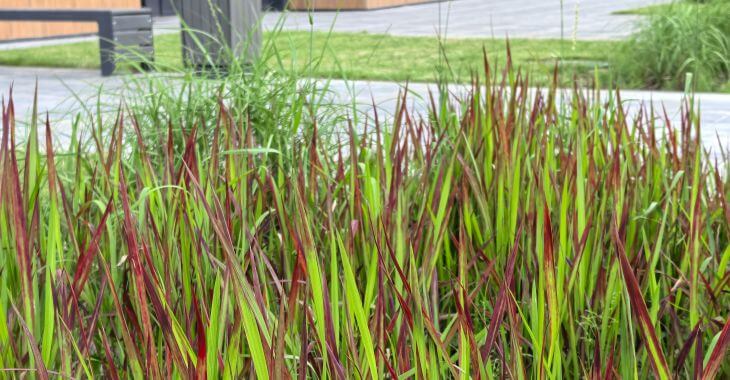
Low maintenance grass helps you spend less time mowing, watering, and fertilizing, but the best choice depends on your yard. Grass that stands up to summer heat might not do well in shade or hold up under heavy foot traffic.
Before you replace your lawn, think about how much sun your yard gets, how you use the space, and whether you’re okay with some seasonal browning. These details make a bigger difference than any seed bag that promises almost no upkeep.
What Low Maintenance Grass Really Means
A low maintenance lawn still needs care. What changes is how often you’ll need to water, mow, fertilize, or fix worn spots once your grass is established.
Some low maintenance grass varieties grow slowly, so you won’t need to mow as often. Others handle dry spells or need less fertilizer. Most won’t thrive if the site isn’t right for them, even if they’re tough.
What you want your lawn to look like affects how much work it takes. If you want a closely cut, always-green lawn, you’ll spend more time on care than if you let it grow a bit taller or go brown during dormancy.
Grass Types Worth Comparing
Fine fescues, like hard and creeping red fescue, often work well in cooler regions, especially in low-traffic spots with some shade. You’ll usually need less fertilizer and mowing than with traditional turfgrasses, but hot summers can be tough on them.
Turf-type tall fescue is another good choice if your climate fits. It stands up to drought and handles more wear, so it’s a solid pick if you have kids, pets, or regular foot traffic.
In parts of the Southeast, centipedegrass means less mowing and fertilizer. It doesn’t like heavy traffic or some soil types, and it won’t work in areas with cold winters.
Buffalograss is a low-input option for sunny, dry areas. It handles drought but won’t do well in shade or with heavy traffic, and it goes brown during cool-season dormancy.
Match Easy to Maintain Grass to Your Yard
The best easy to maintain grass for your yard might not work for your neighbor. Start by looking at sunlight: fine fescues often fit partial shade, while buffalograss needs plenty of sun.
Next, consider how much traffic your lawn gets. If you use it for games or gatherings, you’ll need turf that can handle wear, even if it means mowing a bit more often than with a delicate low-grower.
Drainage counts, too. If your yard stays soggy after rain, drought-tolerant seed won’t fix it. Check for compaction and standing water before you choose your grass.
Stop Water Damage Before It Starts: Smart Drainage Solutions That Protect Your Property
Poor drainage is more than an inconvenience. Excess water around your home can weaken foundations, damage landscaping, and create long-term structural issues. S...Read More about Stop Water Damage Before It Starts: Smart Drainage Solutions That Protect Your Property
Why Establishment Still Takes Work
Even low maintenance grass needs extra care while it gets established. Newly seeded spots need careful watering, and some types fill in more slowly than others.
Sod gives you faster coverage, but you’ll still need to water it and give it time to root. You might not find sod in the exact species you want, either.
Ask about the best planting season for your area. If you start at the wrong time, you’ll probably need to water more, fight more weeds, and fix bare patches later.
Simple Habits for a Low Maintenance Lawn
A low maintenance lawn is easier to manage when you match your routine to your grass type, not a fixed schedule.
A few habits make a difference:
- Mow at the recommended height for your grass.
- Check soil moisture before starting the sprinkler.
- Use soil test results to guide fertilizer decisions.
- Leave clippings when they’re short enough to spread evenly.
- Keep mower blades sharp to avoid ragged cuts.
You’ll get better results by choosing low maintenance grass that fits your yard, instead of forcing a lawn to survive where it doesn’t belong.
Common Shortcuts That Create More Work
Cutting your grass too short to skip mowing can actually stress the turf. The right mowing height depends on the species, so don’t assume shorter is easier.
Extra fertilizer isn’t a shortcut. If you feed low maintenance grass more than it needs, you’ll end up with extra growth or new maintenance headaches.
If you skip drainage repairs, your plan can fall apart. When roots sit in wet, compacted soil, just changing the grass variety alone may not fix thinning or patchy spots.
When Less Lawn May Be Easier
Sometimes the simplest low maintenance lawn is a smaller one. Deep shade, steep slopes, and narrow strips along fences can be difficult to mow or keep healthy.
Groundcovers, mulched beds, or paths might work better than turf in those spots. You can keep grass where you gather or play without maintaining every corner as a traditional lawn.
Before you make changes, think about foot traffic, drainage, and any neighborhood landscaping rules. Your new layout should look good and stay manageable after the first growing season.
Getting Your Grass Choice Checked
If you’re weighing easy to maintain grass options, ask a local landscaper which varieties fit your climate, light, soil, and how you plan to use your yard. Talk through how much mowing, watering, and seasonal color change you should expect.
A little planning helps you avoid planting grass that needs more attention than you want to give. Aim for a yard you can keep up with, even if conditions aren’t perfect.

