Small Drops, Big Results: Why Micro Irrigation Is Transforming Modern Watering Systems
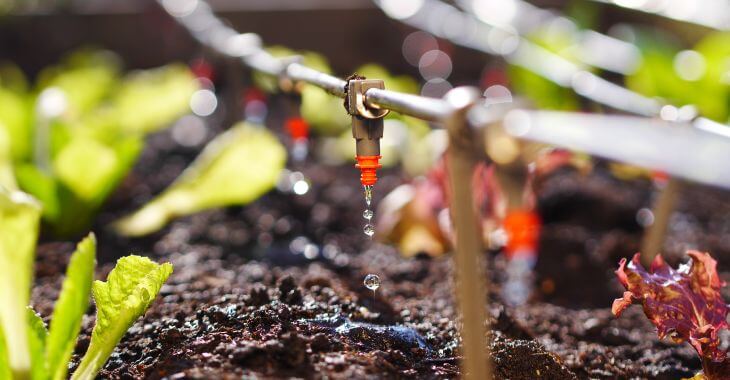
Water conservation has become one of the most important challenges in landscaping, agriculture, and property maintenance. Traditional irrigation methods often waste large amounts of water through runoff, evaporation, and uneven distribution.
Micro irrigation has emerged as one of the most effective solutions for delivering water directly where plants need it most. By using controlled low-volume watering systems, micro irrigation helps reduce water waste while supporting plant growth, improving soil conditions, and lowering maintenance costs.
What Is Micro Irrigation?
Micro irrigation is a low-pressure irrigation method that slowly delivers water directly to plant root zones through small emitters, tubing, or drip systems. Unlike traditional sprinklers that spray large areas, micro irrigation targets specific plants or planting rows with precision.
These systems are commonly used in:
- Residential landscaping
- Vegetable gardens
- Commercial agriculture
- Greenhouses
- Orchards and vineyards
- Flower beds and container gardens
Research from the Environmental Protection Agency suggests that efficient drip and micro irrigation systems may reduce outdoor water use by up to 50% compared to conventional irrigation methods.
How Micro Irrigation Works
Micro irrigation systems use a network of small tubes and emitters to release water slowly over time. Water moves through the system at low pressure, allowing moisture to soak directly into the soil near plant roots.
Common components include:
- Main water supply lines
- Drip tubing
- Emitters or drippers
- Pressure regulators
- Filtration systems
- Valves and timers
This controlled watering method helps minimize evaporation and runoff, which are common problems with overhead sprinkler systems.
Benefits of Micro Irrigation
One of the biggest advantages of micro irrigation is water efficiency. Because water is applied directly to the soil instead of being sprayed into the air, less water is lost to wind drift and evaporation.
Additional benefits include:
- Reduced weed growth
- Lower water bills
- Healthier root development
- Less soil erosion
- Improved plant consistency
- Reduced fungal disease risk
Many growers also find that micro irrigation allows better control over fertilization and moisture management throughout the growing season.
Water Conservation and Sustainability
Water conservation is becoming increasingly important in many regions experiencing drought conditions or rising utility costs. Agriculture alone accounts for a large percentage of freshwater use globally, making efficient irrigation technology critical for long-term sustainability.
Micro irrigation systems support conservation efforts by applying water only where and when it is needed. Studies have shown that drip-based systems can improve irrigation efficiency while maintaining strong crop yields and healthy landscaping.
For homeowners, these systems may help maintain attractive lawns and gardens while using significantly less water.
Irrigation Audit: Save Water, Lower Costs, and Improve Lawn Health
An irrigation audit is a professional evaluation of your sprinkler system’s performance. It identifies problems, inefficiencies, and opportunities to improve ...Read More about Irrigation Audit: Save Water, Lower Costs, and Improve Lawn Health
Common Challenges in Micro Irrigation Systems
Although micro irrigation systems are highly efficient, they require proper design and maintenance to function effectively over time.
One of the most common maintenance issues is emitter clogging from hard water. In areas with mineral-rich water supplies, calcium and other mineral deposits may gradually build up inside emitters and tubing.
This can restrict water flow and create uneven irrigation patterns that stress plants and reduce system performance.
Understanding Emitter Clogging from Hard Water
Emitter clogging from hard water is especially common in regions with elevated mineral content in municipal or well water systems. As water evaporates inside small emitters, mineral deposits may accumulate and narrow the flow pathways.
Signs of clogging may include:
- Dry spots in planting areas
- Uneven watering patterns
- Reduced emitter output
- Plant stress or discoloration
- Visible mineral buildup
Without proper filtration and maintenance, clogging can shorten system lifespan and reduce irrigation efficiency.
The Importance of Filtration Systems
Filtration plays a critical role in protecting micro irrigation systems from sediment, debris, and mineral buildup. One of the most important factors in system design is filter mesh size selection.
Filter mesh size selection determines how effectively particles are removed before water reaches delicate emitters and drip lines.
If the filtration is too coarse, debris may pass through and clog emitters. If the filtration is too fine, pressure loss and maintenance demands may increase unnecessarily.
Why Filter Mesh Size Selection Matters
Proper filter mesh size selection depends on several factors, including:
- Water source quality
- Emitter size
- Flow rate requirements
- System pressure
- Sediment levels
For example, systems using well water may require different filtration than systems supplied by municipal water sources.
Industry experts generally recommend matching filtration levels carefully to emitter specifications in order to minimize clogging and maintain long-term performance.
Regular inspection and filter cleaning are also essential for maintaining reliable water flow.
Maintenance Tips for Long-Term Performance
Routine maintenance helps micro irrigation systems operate efficiently and avoid preventable problems. Recommended maintenance steps include:
- Inspecting emitters regularly
- Flushing irrigation lines periodically
- Cleaning or replacing filters
- Monitoring pressure levels
- Checking for leaks or damaged tubing
- Testing watering consistency
Preventative maintenance is especially important during peak growing seasons when plants rely heavily on consistent moisture delivery.
Micro Irrigation for Residential Landscapes
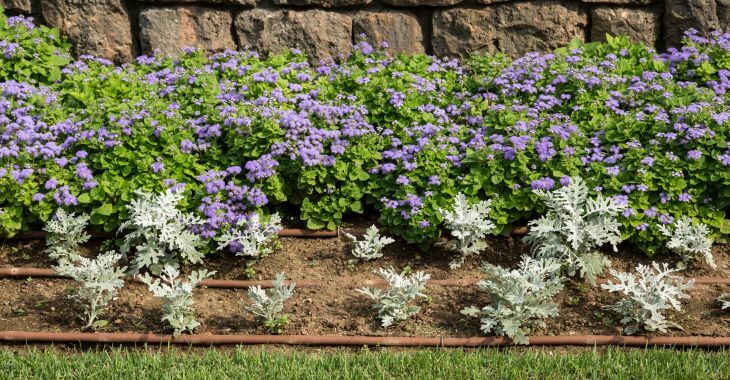
Homeowners are increasingly adopting micro irrigation systems for gardens, flower beds, shrubs, and container plants. These systems can often be integrated with automated timers and smart irrigation controllers for even greater efficiency.
Benefits for residential use include:
- Lower outdoor water consumption
- Reduced manual watering
- Improved plant health
- Flexible installation options
- Better control over watering schedules
Because the systems operate quietly and discreetly, they also help maintain attractive landscaping aesthetics.
Agricultural Advantages of Micro Irrigation
In agriculture, micro irrigation technology has become an important tool for improving crop productivity while conserving water resources.
Farmers often use these systems to:
- Deliver consistent moisture
- Reduce fertilizer waste
- Improve crop uniformity
- Minimize weed competition
- Support precision agriculture practices
Studies have shown that properly designed drip irrigation systems can increase water-use efficiency while improving crop quality in many agricultural settings.
Smart Watering for the Future
As climate conditions change and water conservation becomes more important, micro irrigation systems are expected to play an even larger role in both residential and commercial water management.
Advances in automation, moisture sensors, and filtration technology continue improving system reliability and efficiency. When properly designed and maintained, micro irrigation offers a practical and sustainable solution for healthier landscapes and responsible water use.
Understanding challenges such as emitter clogging from hard water and proper filter mesh size selection is essential for maximizing system performance and protecting long-term irrigation investments.