Landscape Grading: How to Fix Yard Slope Problems Near Your Home
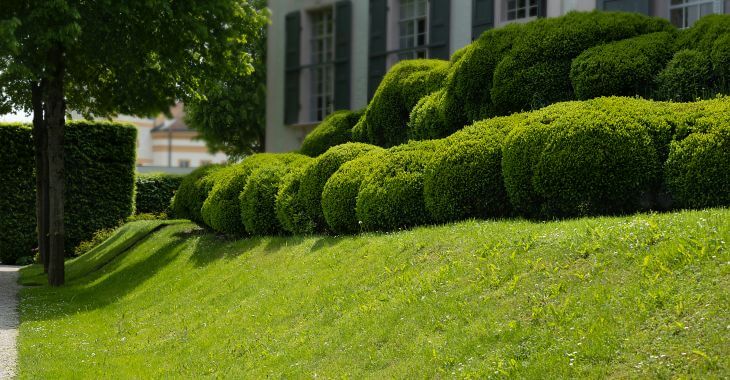
Landscape grading helps shape the ground around your home, so surface water has somewhere useful to go. If your yard slopes toward the house, water may collect near the foundation, patio, steps, or basement windows after rain.
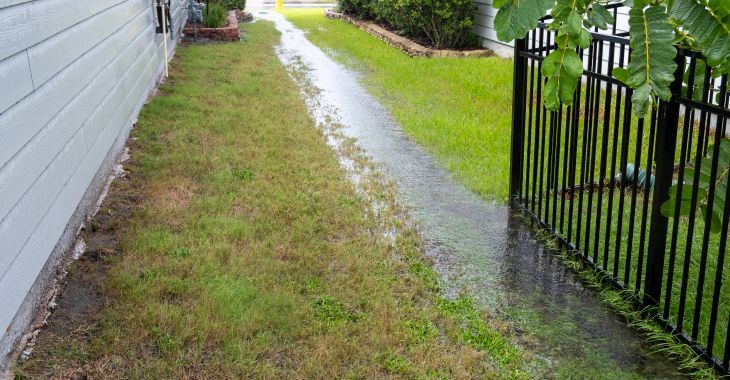
It’s easy to miss a slope problem when the weather’s dry. After a storm, though, puddles, soggy soil, washed-out mulch, and thin grass can all point out where your yard needs a closer look.
What Landscape Grading Does
Landscape grading controls the slope of the ground. The goal is to move surface water away from the house, walkways, low lawn areas, and other places where water can sit too long.
A grading plan may include adding soil, removing soil, smoothing high spots, or reshaping sections of the yard. The right approach depends on the current slope, soil height, nearby hard surfaces, and where water naturally flows.
Why Slope Toward the House Can Cause Problems
When your yard leans toward the house, rainwater can end up in the wrong place. It doesn’t always mean you’ve got serious damage, but it’s still a situation worth correcting.
Common warning signs include puddles near the foundation, damp soil that lingers for days, mulch moving after storms, and grass that thins out in the same wet spots.
Water can also collect near your steps, window wells, patios, or garage entry. If you keep seeing the same issue after every rain, your yard may need landscape grading that actually changes the surface slope, not just another quick fill.
What a Negative Slope Toward House Fix Usually Involves
A negative slope toward house fix starts by checking where the ground is high, where it’s low, and how water moves during or after rain. Skipping this step can turn adding soil into a short-term patch.
Sometimes, you’ll need to build up low soil near the house. Other times, it’s better to cut down high spots farther out so water has a clear path away from your home.
The work may also include reshaping lawn edges, adjusting soil near walkways, or correcting runoff from downspouts and patios. The goal is to guide water away without creating a new problem nearby.
Your landscaper also needs to watch soil height near siding, vents, doors, and other exterior materials. Piling soil too high against your house can create its own moisture problems.
Good landscape grading starts with measuring where water moves before anyone adds or removes soil.
Why Your Yard Stays Wet: Solving Soggy Yard Spots for Good
Soggy yard spots are more than just an annoyance. They can limit how you use your outdoor space, damage landscaping, and even affect your home’s foundation ov...Read More
Why Laser Level vs String Line Accuracy Matters
Grading work depends on small elevation changes, which is why laser level vs string line accuracy can matter when your landscaper checks the yard before recommending a repair.
A string line can work for some smaller or simpler grading checks. It gives a visible reference point and can help show whether one area sits higher or lower than another.
A laser level can help measure larger areas more efficiently. It may also make it easier to check several points across a yard, especially when slope changes are subtle.
The tool matters, but setup does too. Poor placement, uneven reference points, long distances, or rushed measurements can all affect the result. The main question is whether your grade is being checked carefully.
What to Compare Before Hiring a Landscaper
If you’re comparing landscapers for landscape grading, ask how they’ll evaluate the slope before they quote the work. A quick glance at your yard won’t explain why water keeps moving toward the same spot.
Useful questions may include:
- How will you check the existing slope?
- Will you look at where water exits the yard?
- Do you use a laser level, string line, or another method?
- Will the work add soil, remove soil, or both?
- How will you avoid pushing soil too high against the house?
These questions help you spot a real grading plan instead of a quick fill job. They also show whether your landscaper is thinking about water movement, not just how the surface looks.
When Landscape Grading May Need Drainage Support
Landscape grading can solve a lot of surface slope problems, but some yards need more than just reshaped soil. If water doesn’t have a safe place to go, it may keep pooling even after you adjust the surface.
Downspouts, compacted soil, patios, sidewalks, and neighboring slopes can all affect drainage. In those cases, grading may need soil corrections or a better route for runoff after storms.
Getting a Slope Problem Checked
Landscape grading is worth a look when your yard keeps sending water toward the house or holds moisture in the same spots after rain. The problem might be simple, but it still needs the right fix.
If you’re not sure what your yard is doing, compare local landscapers who handle grading work and ask how they measure slope. A careful review helps you see whether you need basic leveling, a bigger grade change, or drainage support.