Prepare Yard for Landscaping: What to Do Before Work Begins
To prepare yard for landscaping, decide what you want to change and what should stay. Planning ahead helps you avoid damaged plants, blocked access, and unexpected issues once digging begins.
You don’t need to do the landscaper’s job ahead of time. Focus on spotting problem areas, confirming who’s responsible for what, and making sure your property is ready for the project you’ve planned.
Start With a Landscaping Preparation Walkthrough
Walk through your yard with your plans in mind. Look for spots that stay wet after rain, areas where grass doesn’t grow well, steep slopes, and places where people often walk or park.
Pay attention to how sunlight reaches each area. A planting bed next to a shaded fence will have different needs than one by a sunny driveway. These details help you and your landscaper choose the right plants and place beds where they’ll thrive.
Take photos before work starts, especially of drainage issues or features the crew might miss on a dry day. Photos make it easier to show what you want changed without guessing at measurements.
Decide What Should Stay or Be Removed
Mark any trees, shrubs, flowers, edging, or outdoor features you want to keep. If you need to move a plant, check with your landscaper first to see if transplanting makes sense before you dig it up.
Don’t assume the crew will remove every old shrub, stump, or patch of sod. Double-check your estimate to see what’s included and what you’ll need to clear yourself.
Protect your existing trees from unnecessary digging or equipment near their roots. Your landscaping plan should work with what’s already growing, not treat your yard like a blank slate.
Check Access Before the Crew Arrives
To prepare yard for landscaping, ask where workers will enter, park, and unload materials. Things like narrow gates, steep driveways, or soft lawn areas can affect how equipment gets in.
If your contractor asks, move portable furniture, toys, planters, and other personal items out of the way. Keep fragile decorations clear of spots where soil, stone, or plants will be delivered.
If workers need to cross a neighbor’s property or use a shared driveway, get permission and coordinate timing before the project starts. Don’t assume a delivery truck can fit just because a car can.
Confirm Underground Utility Safety
Before any excavation, the appropriate person must arrange underground utility locating through 811. If a landscaper is doing the digging, confirm who will request the locate and when the work can safely start.
Public utility marks might not include privately installed lines. Tell your contractor about any irrigation pipes, landscape lighting cables, septic components, or other buried features you know about.
Leave utility flags and paint marks in place until digging is finished. Don’t move them just to tidy up before the crew arrives.
Good landscaping preparation means knowing what’s underground, what needs to stay, and who’s handling each part of the project.
Tree Root Issues: What Surface Roots and Buried Root Flares Mean
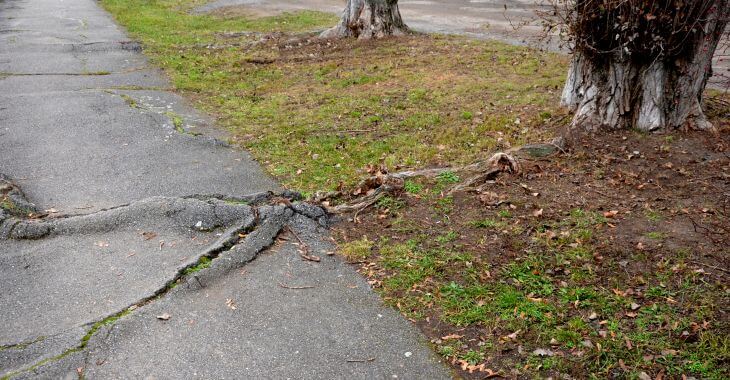
Tree root issues can show up as exposed roots, raised turf, cracked soil, or a trunk that enters the ground without widening. Some signs are normal, but others ...Read More about Tree Root Issues: What Surface Roots and Buried Root Flares Mean
Check Soil and Water Problems Before Planting
Your yard might look ready on the surface but still have compacted soil or drainage issues underneath. Point out any spots that stay soggy, collect runoff, or dry out too quickly.
Soil conditions make a big difference in how well new grass, flowers, shrubs, or trees will grow. Your landscaper may need to check drainage or recommend a soil test before choosing amendments or new plants.
If you try to prepare yard for landscaping by adding topsoil or compost, you might end up working against the project. Grading or soil work could undo your work.
Your Preparing Yard for Landscaper Checklist
As your start date approaches, focus on the small details that help the work go smoothly without changing the site yourself.
Before the crew arrives, confirm:
- The areas covered by the project and anything excluded
- Whether you need to provide access to water or electricity
- Where materials and equipment can be placed
- How pets and children will be kept away from the work area
- Who will handle debris removal and cleanup
It’s much easier to have a quick conversation now than to deal with surprises once machinery and deliveries are already on your property.
How to Prepare Yard for Landscaping Without Overdoing It
Preparing yard for landscaper doesn’t mean stripping beds, digging trenches, or pulling out established plants without guidance. Those jobs might be included in your project.
Ask your landscaper before cutting roots, pulling irrigation lines, or changing the grade. Even a well-intentioned cleanup can create extra work or remove something the design was supposed to keep.
If rain leaves your soil saturated, check if heavy equipment should wait. Working on wet ground can cause ruts or compaction the crew will need to fix later.
Give the Plan One Last Look
The best way to prepare yard for landscaping is to make sure you’re clear on the work before it starts. Go over the layout, access points, existing plants, drainage concerns, and any questions still open in your estimate.
If you’re still comparing landscapers, ask what their site preparation includes and what they expect from you. You’ll have a better sense of the scope and can avoid doing work the crew already plans to handle.