Patio Pavers: Build a Beautiful, Durable Outdoor Space That Lasts
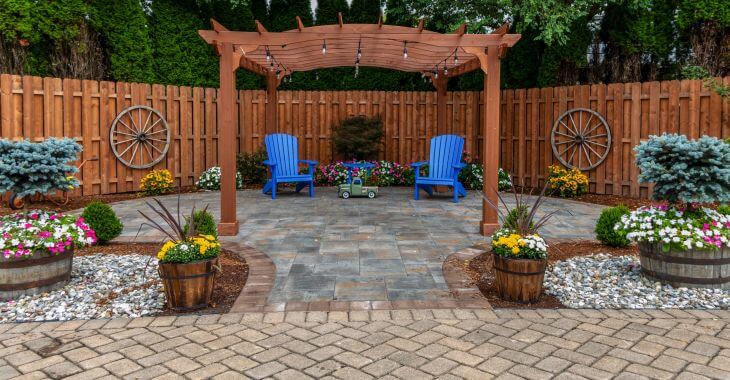
Patio pavers are one of the most popular ways to create an inviting, functional outdoor living area. They combine design flexibility with long-term durability, making them ideal for patios, walkways, and entertaining spaces. When installed correctly, pavers can elevate both daily use and property value.
Homeowners increasingly choose pavers over poured concrete because of their appearance and performance. Industry data shows hardscape upgrades like patios can return 60–75% of their cost at resale. Beyond value, pavers create outdoor spaces that feel intentional, comfortable, and built to last.
Why Patio Pavers Are So Popular
Patio pavers offer a modular system that adapts to different layouts, soil types, and design goals. Unlike large slabs, individual units move slightly with the ground, which helps them perform better in changing weather conditions.
Their popularity is driven by:
- Wide style and color options
- Easy repairs without full replacement
- Strong load-bearing performance
- Slip resistance and drainage benefits
These advantages make pavers a smart choice for both small patios and expansive outdoor living areas.
Design Flexibility for Any Outdoor Style
One of the biggest benefits of patio pavers is design freedom. Shapes, textures, and patterns can be mixed to match modern, traditional, or rustic aesthetics. Borders, inlays, and curves allow patios to feel custom rather than cookie-cutter.
Common layout options include:
- Herringbone for strength and visual interest
- Running bond for clean, classic lines
- Basketweave for traditional charm
- Random patterns for a natural look
This flexibility lets homeowners tailor a patio to how they actually use the space.
Concrete vs Natural Stone Pavers: What’s the Difference?
Choosing between concrete vs natural stone pavers is one of the most important design decisions. Each material offers distinct advantages depending on budget, style, and long-term expectations.
Concrete pavers are manufactured for consistency. They offer uniform color, predictable sizing, and a wide range of finishes. Natural stone pavers, such as granite or limestone, provide organic variation and timeless appeal.
Key differences include:
- Concrete offers more color control and affordability
- Natural stone delivers a unique texture and luxury
- Stone typically costs more but ages beautifully
Both options can perform exceptionally well with proper installation.
Durability and Performance Over Time
Patio pavers are engineered to handle foot traffic, furniture weight, and seasonal weather changes. Properly compacted base layers and edge restraints are critical to long-term performance.
Compared to poured concrete, pavers reduce cracking concerns. If movement occurs, individual pavers can be reset rather than replaced entirely. This flexibility plays a major role in minimizing paver settling risk over time, especially in freeze-thaw climates.
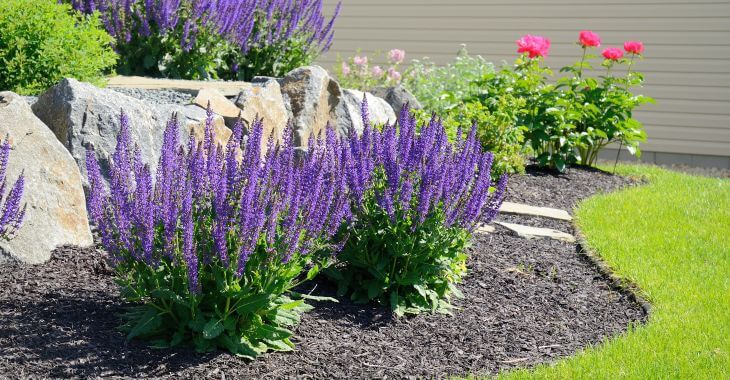
10 Ways to Use Decorative Rock
A beautiful outdoor space can include a variety of elements to hold your landscape design together. One of the fundamental materials used in landscaping is rock...Read More about 10 Ways to Use Decorative Rock
Understanding Settling and How to Prevent It
All outdoor surfaces interact with soil, moisture, and temperature changes. Settling happens when base materials shift or compact unevenly beneath the surface. Paver systems are designed to manage this better than rigid slabs.
Professional installation reduces settling by:
- Excavating to the proper depth
- Using compacted aggregate base layers
- Installing edge restraints
- Allowing controlled joint movement
When these steps are followed, patios maintain level surfaces for decades.
Drainage and Safety Benefits
Patio pavers naturally allow water to move through joints, reducing surface pooling. Some systems are designed specifically for permeable drainage, helping manage runoff and erosion.
Safety benefits include:
- Textured surfaces for slip resistance
- Less standing water after rain
- Reduced ice formation compared to smooth slabs
These features make pavers especially suitable for pool decks and outdoor dining areas.
Maintenance Made Simple
Patio pavers are known for low maintenance compared to other surfaces. Routine care typically involves sweeping, occasional rinsing, and joint sand replenishment when needed.
Long-term maintenance advantages include:
- Easy replacement of damaged pavers
- No large cracks to patch
- Optional sealing for color protection
This simplicity keeps patios looking fresh without substantial ongoing repair costs.
Climate Considerations for Patio Pavers
Pavers perform well in a wide range of climates, from hot summers to freezing winters. Their segmented structure allows expansion and contraction without surface failure.
Research shows that flexible pavement systems like pavers experience fewer structural failures than rigid slabs in variable climates. This adaptability is a key reason pavers are used in both residential and commercial settings worldwide.
Boosting Property Value and Outdoor Living
Outdoor living spaces consistently rank high on homeowner wish lists. A professionally installed paver patio creates an extension of indoor living, perfect for entertaining or relaxing.
Benefits include:
- Increased usable square footage
- Enhanced curb appeal
- Better defined outdoor zones
- Higher buyer interest at resale
Well-designed patios often become the most used area of the home.
Choosing the Right Installer Matters
Even the best materials can fail without proper installation. Experience, base preparation, and attention to detail directly affect how a patio performs over time. While paver patios can be a DIY project, there are benefits to hiring a professional landscaper for installation.
A qualified installer understands soil conditions, grading, drainage, and layout planning. This expertise ensures your patio looks great on day one and continues to perform year after year.
A Smart Investment in Outdoor Comfort
Patio pavers offer a rare combination of beauty, strength, and flexibility. With thoughtful material selection and professional installation, they create outdoor spaces that stand up to time, weather, and everyday use.
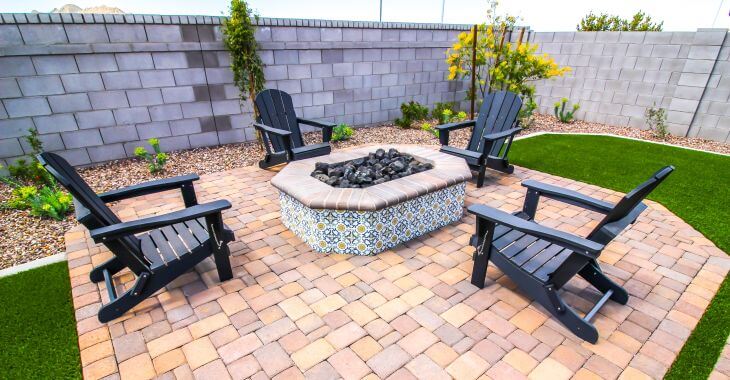
Whether you prefer modern concrete or timeless stone, pavers deliver lasting value. They are an investment not just in your yard, but in how you enjoy your home.