Tree Root Issues: What Surface Roots and Buried Root Flares Mean
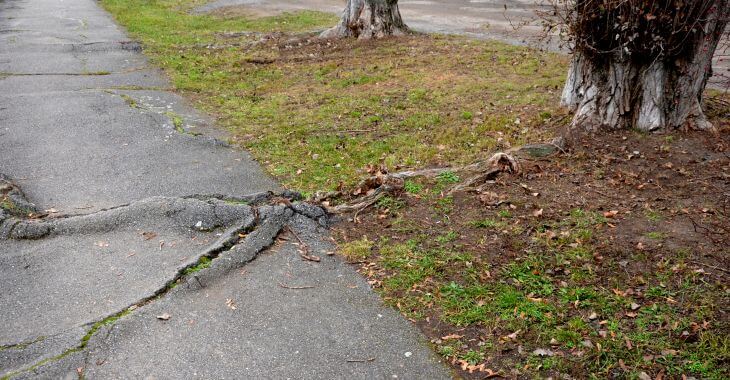
Tree root issues can show up as exposed roots, raised turf, cracked soil, or a trunk that enters the ground without widening. Some signs are normal, but others point to soil, planting depth, or root-zone problems.
Visible roots don’t always mean your tree is unhealthy, but cutting, burying, or changing the soil around the trunk can cause damage that’s much harder to fix later.
What Common Tree Root Issues Look Like
Common tree root issues include roots crossing the lawn, turf lifting around the base, and roots interfering with mowing. You may also notice edging, pavers, or nearby soil shifting as roots grow.
A buried root flare can be harder to spot. Instead of widening where the trunk meets the ground, the tree may look like a pole entering the soil. Mulch or added soil can hide the natural flare.
Things like tree species, age, soil depth, erosion, and normal growth all play a part in how close roots show up at the surface.
What Causes Surface Roots From Compacted Soil?
Compacted soil doesn’t leave much room for air, water, or root growth. Foot traffic, vehicles, construction, and heavy equipment can press the soil together and make it harder for roots to grow deeper.
Surface roots from compacted soil often show up when roots spread through the looser top layer instead of pushing into the dense soil below. Compaction isn’t the only reason this can happen.
Shallow watering, erosion, tree species, and naturally wide root systems can all make roots more visible. It’s a good idea to have a landscaper or arborist look at the whole site before deciding what’s causing the problem.
Why Cutting or Covering Roots Can Be Risky
Large roots help anchor your tree and move water and nutrients. Cutting, grinding, or damaging them can weaken that support and open the door to decay.
Adding several inches of soil over visible roots can also cause problems. Tree roots need oxygen, and a sudden grade change can reduce the air and water movement they receive.
Burying the trunk base is risky too. Soil or mulch piled against bark can keep it damp and hide damage, insects, or girdling roots.
Visible roots should be evaluated before anyone cuts them, covers them with soil, or changes the grade around the tree.
Landscape Grading: How to Fix Yard Slope Problems Near Your Home
Landscape grading helps shape the ground around your home, so surface water has somewhere useful to go. If your yard slopes toward the house, water may collect ...Read More about Landscape Grading: How to Fix Yard Slope Problems Near Your Home
What Root Flare Exposure Correction Involves
The root flare is where the trunk widens and meets the tree’s major roots. It should usually remain visible near ground level instead of disappearing under soil or mulch.
Root flare exposure correction may involve gently removing excess mulch, loose soil, or built-up material. The work should stop before digging damages bark or major roots.
If the tree was planted too deeply, the correction may require more than clearing the surface. Girdling roots, buried bark, or deep soil can make professional evaluation important.
A good correction reveals the natural trunk base without turning the area into a pit. You’re aiming for a safer soil line, not a fully exposed root system.
When Mulch or Groundcover Is Safer Than More Soil
Surface roots can make mowing tough, but burying them isn’t the answer. Expanding the mulch bed can protect roots from mower blades and cut down on foot traffic.
Use a light layer of mulch and keep it away from the trunk. Don’t pile mulch around the root flare, even if it looks tidy from a distance.
If grass won’t grow under the canopy, a suitable groundcover can work better than trying to force turf over shallow roots. You’ll get a cleaner look without cutting roots or changing the grade.
What to Compare Before Hiring Help
If you’re comparing landscapers for tree root issues, ask how they’ll inspect your tree before recommending soil, mulch, or grading work. A quick surface fix can miss the real reason your roots are showing.
Useful questions may include:
- Is the root flare buried?
- Could soil compaction be affecting growth?
- Are roots circling or pressing against the trunk?
- Can the mowing area change without cutting roots?
- Should an arborist inspect the tree first?
These questions help you spot the difference between a careful plan and a quick fix. They also show if your provider understands how landscaping changes affect your tree’s health.
When Tree Root Issues Need Closer Attention
Some tree root issues need a closer look, especially after construction, trenching, storms, or sudden changes around your tree.
Watch for warning signs like new leaning, cracked or lifting soil near the base, large damaged roots, mushrooms near the trunk, thinning canopy, or dead branches.
These signs don’t always mean your tree is unsafe, but you should hold off on root cutting, adding soil, or changing the grade until someone evaluates it.
Getting Tree Roots Evaluated Before Making Changes
You can manage many tree root issues without cutting or burying roots. The right approach depends on the tree species, root size, planting depth, soil condition, and what’s around your tree.
If you’re not sure what caused the problem, look for local landscapers or tree-care pros who inspect your site before making recommendations. Ask how they handle surface roots, compaction, and root flare exposure.