Built to Hold: How Retaining Walls Protect, Shape, and Elevate Your Landscape
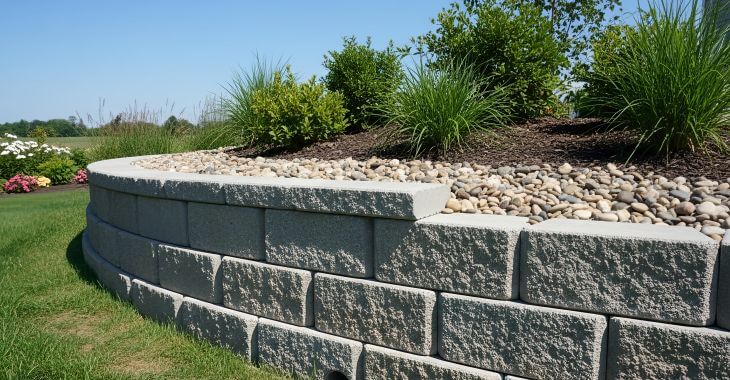
Retaining walls do more than hold back soil. They create usable space, prevent costly damage, and give structure to sloped landscapes. Whether you are dealing with runoff, uneven terrain, or design challenges, a well-built retaining wall can completely transform how your property looks and performs.
Sloped yards are common across the United States. According to housing data, millions of homes are built on lots with moderate to steep grading. Without proper reinforcement, gravity and water movement can gradually shift soil, damage foundations, and destabilize landscaping.
Why Retaining Walls Matter
Retaining walls are engineered structures designed to restrain soil laterally. They counteract the natural pressure that builds when soil is held at different elevations. This pressure, known as lateral earth pressure, increases significantly after heavy rainfall.
Soil erosion is a serious issue nationwide. The U.S. Department of Agriculture estimates that billions of tons of soil are lost each year due to water runoff and poor land management. Residential properties are not immune, especially where slopes are exposed and unprotected.
A properly designed retaining wall improves erosion control effectiveness by stabilizing soil and directing water away from vulnerable areas. When paired with drainage systems, these walls reduce washouts, pooling, and long-term structural risks.
Common Uses for Retaining Walls
Retaining walls serve both structural and aesthetic purposes. They are frequently used in residential, commercial, and municipal projects.
Common applications include:
- Creating level areas for patios or gardens
- Supporting driveways built on slopes
- Preventing soil from shifting near foundations
- Managing stormwater runoff
- Enhancing curb appeal with terraced landscaping
By converting slopes into tiered sections, homeowners gain usable outdoor space while improving property value. Landscape improvements can increase home value by up to 15 percent, according to real estate industry studies.
Understanding Materials: Timber vs Stone Retaining Wall
Choosing materials is one of the most important decisions in any retaining wall project. The debate between a timber vs stone retaining wall often comes down to budget, durability, and style preferences.
Timber retaining walls are typically more affordable upfront. Pressure-treated wood can last 15 to 20 years when properly installed and maintained. They are easier to install and blend naturally into garden settings.
Stone retaining walls, including natural stone or concrete block systems, offer superior durability. Many stone structures can last 50 years or longer with minimal maintenance. They also provide greater resistance to moisture and insect damage compared to wood.
When weighing timber vs stone retaining wall options, consider:
- Lifespan expectations
- Climate conditions
- Drainage needs
- Long-term maintenance costs
- Desired aesthetic
While timber may cost less initially, stone often provides better long-term value due to its extended lifespan and structural strength.
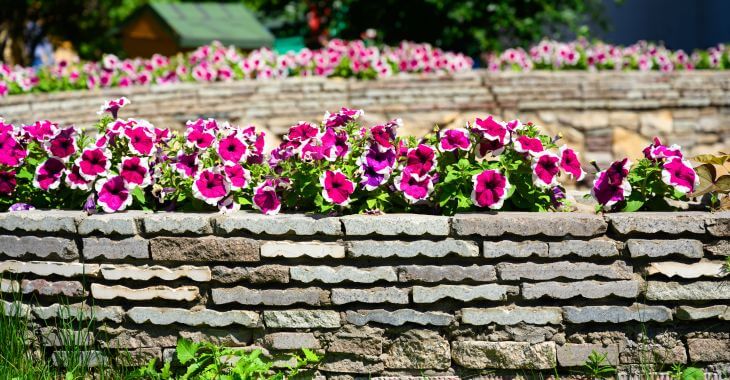
What Are the Cheapest Retaining Wall Options?
Retaining walls can be used for various landscaping projects, from raised flower beds to stabilizing a slope or hill. They also can be completed using various m...Read More about What Are the Cheapest Retaining Wall Options?
The Role of Drainage and Engineering
Drainage is critical to the success of any retaining wall. Water buildup behind a wall increases hydrostatic pressure, which is a leading cause of failure. Studies show that poor drainage contributes to a significant percentage of retaining wall collapses.
Effective systems typically include:
- Gravel backfill
- Perforated drainage pipes
- Weep holes
- Proper grading
These elements work together to improve erosion control effectiveness and reduce stress on the wall structure. Without drainage, even the strongest materials can fail prematurely.
Engineering considerations also matter. Walls above a certain height, often four feet depending on local codes, may require professional engineering plans and permits. This ensures the wall can safely handle soil load and environmental conditions.
Signs You May Need a Retaining Wall
Many homeowners do not realize they need a retaining wall until visible damage appears. Early intervention can prevent more expensive repairs later.
Watch for these warning signs:
- Soil washing away after rain
- Cracks in nearby pavement
- Leaning fences on slopes
- Exposed tree roots
- Foundation settlement
Addressing slope instability early improves erosion control effectiveness and protects your home’s structural integrity.
Maintenance and Longevity
Even the most durable retaining wall requires periodic inspection. Regular maintenance extends lifespan and preserves appearance.
Key maintenance steps include:
- Checking for cracks or bulges
- Clearing drainage outlets
- Monitoring soil settlement
- Replacing damaged timber sections
- Sealing stone surfaces if recommended
On average, professionally installed retaining walls can last several decades. Concrete block systems often exceed 40 years, while natural stone structures may last much longer with proper care.
Environmental and Property Benefits
Retaining walls also support sustainable landscaping practices. By stabilizing soil and reducing runoff, they help protect nearby waterways from sediment pollution. Sediment is one of the leading causes of water quality impairment in the United States.
Improved erosion control effectiveness not only preserves your yard but also contributes to environmental protection. In areas with heavy rainfall, retaining walls play a key role in managing stormwater responsibly.
Additionally, terraced landscapes reduce mowing hazards and improve safety. Level areas make outdoor spaces more functional and accessible for recreation and gatherings.
Planning for Success
Every retaining wall project should begin with a clear plan. Consider soil type, slope angle, water flow, and long-term goals. Consulting with a qualified landscape contractor ensures the structure is built to code and designed for durability.
When comparing timber vs stone retaining wall options, balance aesthetics with performance. Think about how the wall will look in five, ten, or twenty years. A well-planned investment today can prevent costly repairs tomorrow.
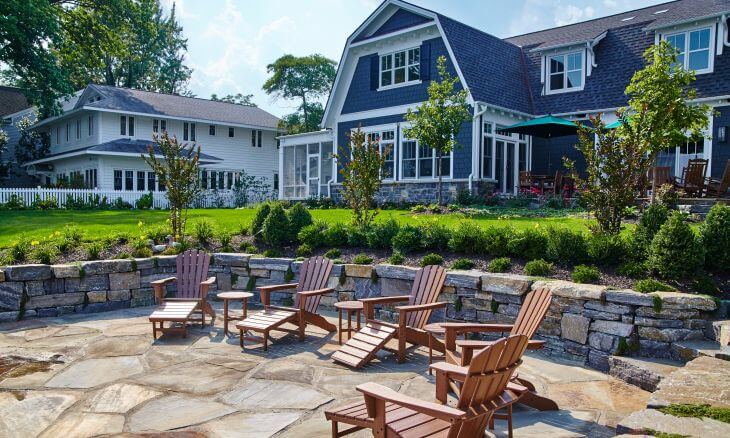
Retaining walls combine function and design in a way few landscape elements can. With proper materials, drainage, and installation, a retaining wall becomes a lasting feature that supports both beauty and stability.