Stop Water Damage Before It Starts: Smart Drainage Solutions That Protect Your Property
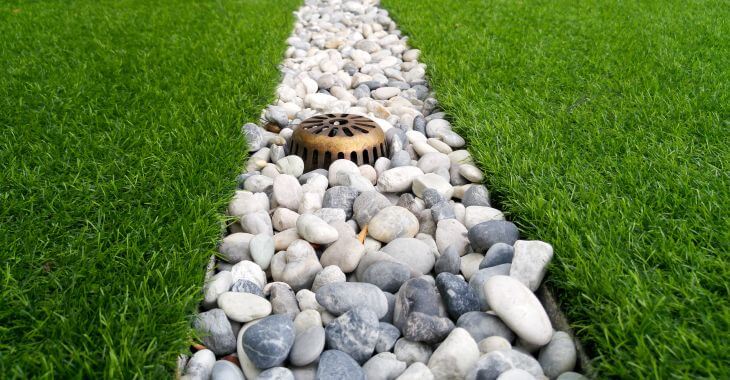
Poor drainage is more than an inconvenience. Excess water around your home can weaken foundations, damage landscaping, and create long-term structural issues. Studies estimate that water damage accounts for nearly 24% of homeowner insurance claims, making drainage solutions a top priority.
When water has nowhere to go, it will always find the path of least resistance. That path often leads toward basements, crawl spaces, driveways, and slabs. Addressing drainage early helps avoid repairs that are far more expensive than prevention.
How Water Is Supposed to Move on Your Property
A well-designed property directs water away from structures and toward safe discharge points. Natural slope, soil absorption, and drainage systems all work together to manage rainfall. When one part fails, water begins to collect where it does not belong.
Even small grading issues can disrupt water flow. Over time, soil compaction, erosion, or construction changes can alter how water moves, creating new problem areas that were not present before.
Common Water Pooling Hotspot Causes
Understanding water pooling hotspot causes is the first step toward solving them. Pooling rarely happens by accident and usually points to a specific underlying issue that needs correction.
Common causes include:
- Flat or improperly graded yards
- Downspouts discharging too close to the home
- Compacted or clay-heavy soil
- Clogged or damaged drainage systems
- Hardscapes that block natural runoff
Identifying the cause ensures the solution actually works instead of masking the problem.
The Impact of Standing Water Over Time
Standing water can quietly cause significant damage. Prolonged moisture near foundations increases hydrostatic pressure, which can lead to cracks and leaks. Moist conditions also encourage mold growth and attract insects like mosquitoes and termites.
According to the CDC, standing water can allow mosquitoes to breed in as little as 7 days, increasing health risks along with property concerns. Effective drainage protects both your home and your environment.
Overview of Modern Drainage Solutions
Drainage solutions range from simple surface adjustments to engineered underground systems. The right option depends on soil type, slope, rainfall volume, and where water needs to be redirected.
Most professional drainage plans combine multiple strategies rather than relying on a single fix. This layered approach manages water at the surface and below ground for more reliable long-term performance.
French Drain vs. Surface Drain: What’s the Difference?
Homeowners often compare French drain vs. surface drain when exploring solutions. While both manage excess water, they work in very different ways and solve different problems.
A surface drain captures water at ground level. It is ideal for areas where water visibly collects after rain. French drains work below ground, redirecting water through gravel and perforated pipe to keep it from accumulating on the surface.
When a Surface Drain Makes Sense
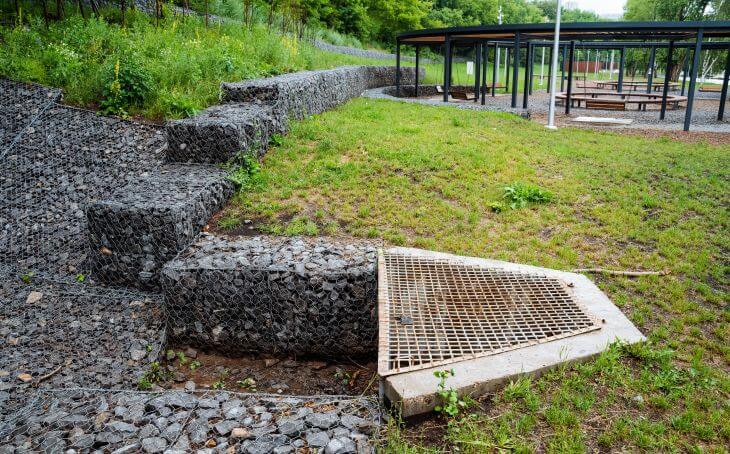
Surface drains are commonly used in low spots, near patios, or at the base of slopes. They quickly collect water and move it away before pooling becomes a problem.
Benefits of surface drains include:
- Fast removal of visible water
- Minimal excavation
- Effective for heavy, short rainfall events
They are often combined with underground piping to carry water safely away.
When a French Drain Is the Better Option
French drains are best for ongoing moisture issues or groundwater pressure. They intercept water below the surface and relieve saturation before it damages soil or structures.
Advantages of French drains include:
- Reducing hydrostatic pressure
- Protecting foundations and basements
- Long-term moisture control
They are especially effective in areas with consistent rainfall or poor soil drainage.
Benefits of Drain Rock for Landscaping
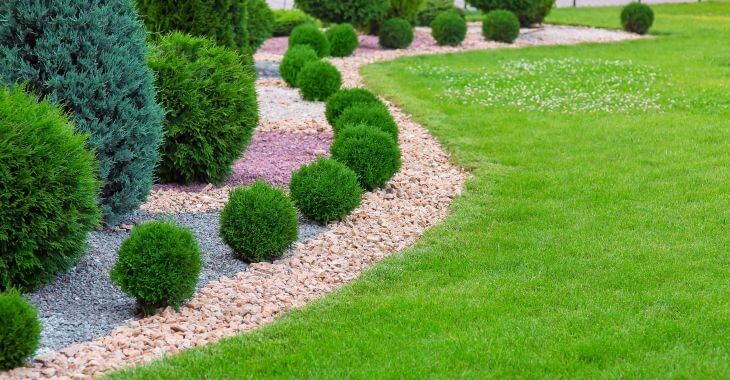
One of the key components of a beautiful landscape design is proper drainage. You may not see most drain rock, but it is an important underlying material for ma...Read More about Benefits of Drain Rock for Landscaping
Soil Type and Its Role in Drainage
Soil composition plays a major role in how water behaves. Sandy soil drains quickly, while clay-heavy soil absorbs water slowly and holds moisture longer. Many regions contain mixed soils, which can complicate drainage patterns.
In areas with clay-rich soil, water may sit on the surface even after moderate rainfall. Drainage systems help compensate for soil that cannot absorb water efficiently on its own.
Grading and Landscape Design Matter
Sometimes the simplest drainage fix is reshaping the land. Proper grading encourages water to flow away from structures naturally. Even a small slope adjustment can significantly reduce pooling issues.
Professional grading often works best when paired with drains. Together, they guide water efficiently while reducing erosion and protecting landscaping features.
Drainage and Foundation Protection
Water near foundations is one of the leading causes of structural damage. The American Society of Civil Engineers notes that water-related soil movement is a major contributor to foundation failure in residential properties.
Drainage systems reduce pressure against foundation walls and help keep basements and crawl spaces dry. This protection preserves structural integrity and indoor air quality.
Maintenance Is Part of the Solution
Even the best drainage system needs maintenance. Debris, sediment, and roots can block drains over time. Regular inspections ensure that water continues to flow as designed.
Simple maintenance steps include:
- Clearing surface grates
- Flushing underground lines
- Checking discharge points
Preventative care extends the life of any drainage system.
Choosing the Right Drainage Strategy
There is no one-size-fits-all drainage solution. Effective systems are designed based on property layout, problem areas, and long-term goals. Addressing water pooling hotspot causes directly leads to better outcomes and fewer repeat issues.
A thoughtful combination of grading, surface drains, and underground systems often delivers the most reliable protection. Understanding the difference between a French drain vs. surface drain helps homeowners make informed decisions.
Investing in Long-Term Peace of Mind
Drainage solutions are an investment in your property’s future. They prevent costly damage, protect landscaping, and improve the usability of outdoor spaces. With proper planning and installation, a drainage system can perform effectively for decades.
Water management is not about reacting to the next storm. It is about creating a system that works quietly in the background, protecting what matters most.