Retaining Wall Materials: Comparing Options for Your Yard
Choosing retaining wall materials starts with what the wall must hold back. A short garden terrace has different needs from a wall supporting a driveway or a steep slope. Appearance matters, but soil, water, and wall height shape the decision.
Concrete blocks, stone, timber, poured concrete, and rock-filled baskets all have uses, with different construction and maintenance demands.
What Determines Your Retaining Wall Options?
Start with the wall’s job. Is it holding a shallow planting bed, creating a level patio area, or retaining a large bank of soil? The amount of earth behind the wall and any added weight above it affect the design.
Soil conditions, nearby structures, equipment access, and drainage also influence which retaining wall materials will work. A narrow side yard may need a different system from an open slope with room for a wider base.
Before selecting a finish, ask how the proposed wall will stay stable and where rainwater will go. Those answers should guide the material choice.
Concrete Blocks for Flexible Layouts
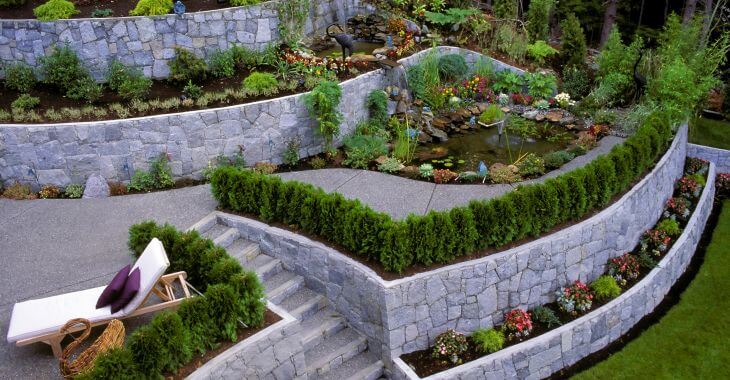
Interlocking or segmental concrete blocks are common retaining wall options for terraces and curved garden walls. Manufacturers offer different sizes, colors, and faces, including styles that resemble natural stone.
These systems rely on a properly prepared base and an installation suited to the wall’s height and loading. Some designs also need reinforcement extending into the soil behind the blocks.
Ask about the entire wall system, not just the visible blocks.
Natural Stone and Timber Compared
Natural stone suits landscapes where a varied, less uniform look is the goal. Large stones can form substantial walls, while smaller dry-stacked stone needs careful fitting and a stable base.
Stone size, shape, and installation method affect what the wall can safely retain. A decorative stone border shouldn’t be treated as an engineered retaining wall just because the materials look similar.
Treated landscape timbers give a warmer, more rustic appearance and may suit modest garden projects. Wood can decay over time, especially in damp soil, so treatment, drainage, connections, and future replacement deserve attention.
Poured Concrete and Gabion Walls
Poured concrete offers a continuous wall face and can suit sites that call for a specifically engineered structural design. Formwork, reinforcement, footings, and drainage affect both the project cost and finished result.
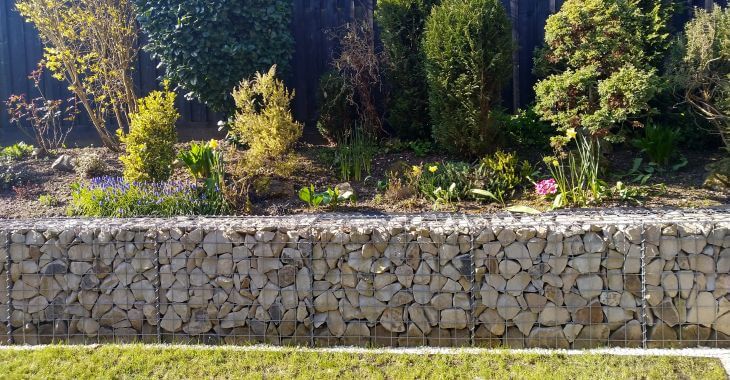
Gabions use wire baskets filled with rock. They create a coarse, textured appearance and can let water pass through their stone fill, but they still need a stable foundation and an appropriate design.
Gabions also take up space and depend on durable basket materials. Neither gabions nor poured concrete should be chosen solely because one looks tougher than the other.
Landscape Grading: How to Fix Yard Slope Problems Near Your Home
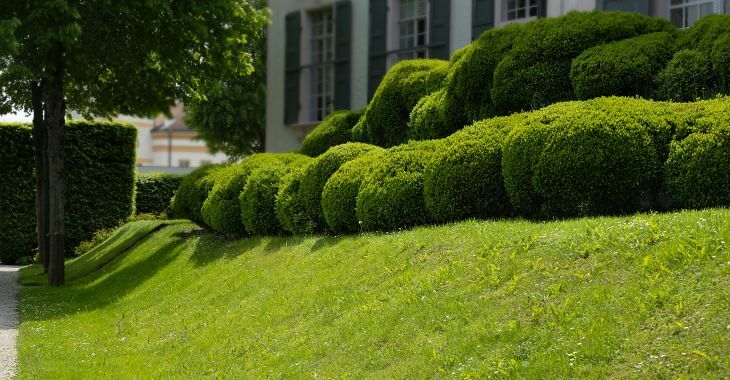
Landscape grading helps shape the ground around your home, so surface water has somewhere useful to go. If your yard slopes toward the house, water may collect ...Read More about Landscape Grading: How to Fix Yard Slope Problems Near Your Home
What Is the Best Retaining Wall Material?
The best retaining wall material depends on the site. Concrete block may suit a curved residential terrace, while stone may better match an existing landscape. Timber may fit a small project where eventual replacement is acceptable.
A reinforced concrete wall might suit a demanding structural application, but only when its design addresses the actual loads. Gabions may work where their wider footprint and appearance fit the property.
Compare the full cost of retaining wall materials, not just the purchase price. Excavation, access, drainage, reinforcement, labor, and maintenance can change the total.
The strongest choice is a properly designed wall that fits the soil, drainage, and loads, not simply the toughest-looking material.
Why Drainage and Engineering Come First
Water collecting behind a wall increases pressure on it. Depending on the design, drainage stone, pipes, outlets, and surface grading may be needed to keep that pressure under control.
Even lower walls can need engineering when they support a driveway, structure, steep slope, or other added load. Permits and design requirements vary locally, so check them before work begins.
A wall that leans, bulges, or develops new cracks deserves an assessment before anyone adds soil or builds on top of it. Don’t assume changing its facing material will correct a structural problem.
Comparing Retaining Wall Materials Before Work Starts
Ask prospective landscapers or wall contractors what each proposal includes. Two estimates can name the same block or stone while allowing for very different excavation, bases, drainage, or reinforcement.
Useful questions include:
- What soil and loads is the wall designed for?
- How will water drain from behind it?
- Does the project require engineering or permits?
- What maintenance should I expect?
A clear proposal should explain why the chosen system suits the site instead of relying on the material’s appearance alone.
Making a Practical Choice
When comparing retaining wall materials, look at the wall’s purpose, construction details, and long-term upkeep together. A good-looking finish won’t compensate for poor drainage or an unsuitable design.
If you’re unsure which approach fits your yard, ask a qualified local contractor to explain the design and any engineering needs before committing to one of the retaining wall options.