Native Planting: A Smarter, Sustainable Way to Transform Your Landscape
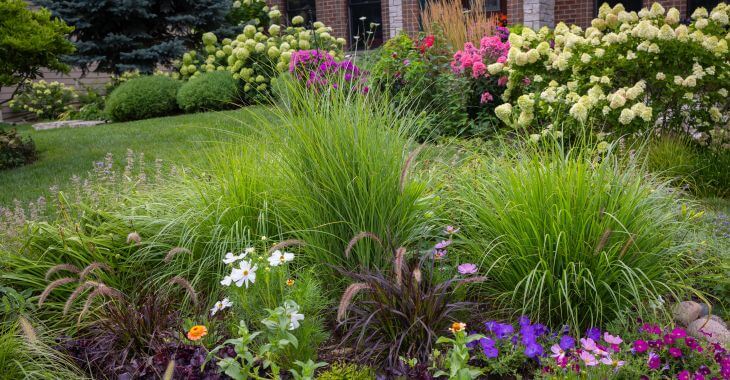
Native planting is one of the strongest trends in modern landscaping because it blends long-term sustainability with natural beauty. Native species have evolved alongside regional soils, rainfall patterns, and wildlife, making them far more resilient than many traditional ornamental plants.
Native landscapes help reduce water waste, support pollinators, and create outdoor spaces that look beautiful with far less effort. As cities face hotter summers and shifting climate patterns, native plants offer dependable performance.
Why Native Plants Matter
Native species thrive in local conditions without demanding heavy irrigation. The EPA reports that outdoor water use accounts for nearly 30% of household consumption, most of it used to maintain lawns and non-native shrubs.
Reducing that demand protects natural water resources and lowers utility bills. Native plants also enrich local ecosystems by providing food and shelter for birds, insects, and small animals.
Their deep root systems filter pollutants, hold soil in place, and improve stormwater absorption. This makes native landscapes excellent for erosion control and water management.
Key Benefits of Native Landscaping
Native planting delivers advantages that extend far beyond aesthetics. Benefits include:
- Lower water use
- Better soil structure
- Increased pollinator habitat
- Reduced chemical dependency
- Greater long-term resilience
Because native plants are naturally adapted to local climate swings, they are more capable of surviving drought, heat waves, cold snaps, and heavy rain events.
They also adapt well to local pests and diseases. This lowers the need for pesticides, benefiting both the environment and your long-term maintenance budget.
Grasses vs. Perennials: Understanding Drought Tolerance
Choosing the right mix of species depends on how they handle dry spells. When comparing grasses vs perennials’ drought tolerance, native grasses often have the advantage.
Grasses develop deep, fibrous root systems that access moisture far below the soil surface. This allows them to stay green and strong even through extended heat episodes.
Perennials also tolerate drought, but many have shallower roots. They may need supplemental water in early establishment or during long dry periods.
A blend of both grasses and perennials forms a well-balanced landscape. Grasses stabilize the soil while perennials add color, texture, and wildlife value to landscaping.
Xeriscaping: The Ultimate in Water-Wise Gardening
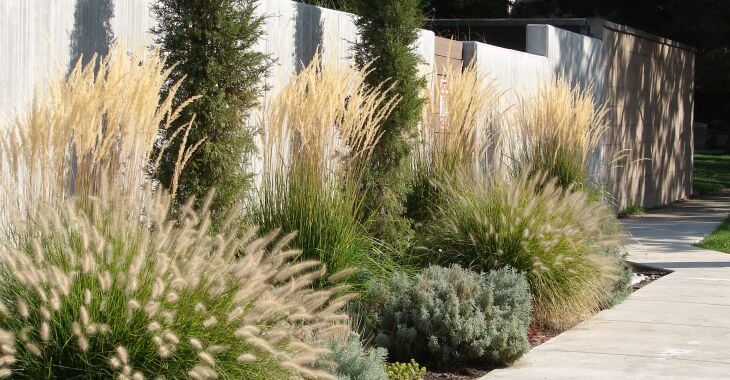
Xeriscaping is more than a trend—it’s a smart, sustainable way to garden in dry climates. Built around efficiency and resilience, xeriscaping reduces th...Read More
Cost, Savings, and Long-Term Value
Native landscapes reduce long-term maintenance costs significantly. Compared to turf or exotic plants, they require fewer inputs, lowering the maintenance cost per square foot each year.
Studies show that native plantings can cut annual maintenance by up to 50% once established. Reductions come from minimal watering, infrequent pruning, and fewer fertilizers.
Initial installation costs may be slightly higher due to soil preparation or plant sourcing. However, lower long-term expenses quickly offset that investment into native planting.
Designing an Effective Native Landscape
Successful native landscapes begin with understanding the site. Soil type, sunlight, drainage, and slope influence plant placement and long-term success.
Grouping plants with similar needs creates efficient “plant communities.” This reduces water use and supports healthy growth with limited maintenance. Layering plants also improves aesthetics. Using taller grasses behind mid-height perennials and low groundcovers creates depth and seasonal interest.
Water Efficiency and Climate Resilience
Water shortages and extreme heat make water-wise choices more important than ever. Native plants naturally use less water because they evolved under the same rainfall patterns your region experiences.
Their roots increase soil permeability, helping rainfall soak in instead of running off. This improves groundwater storage and reduces erosion after storms.
Native plants also tolerate temperature extremes better than many ornamentals. Their natural resilience helps landscapes thrive despite unpredictable weather.
Boosting Wildlife Habitat and Biodiversity
Native plantings are vital for local wildlife. Pollinators such as bees and butterflies rely heavily on native flowers for nectar and pollen.
Birds also depend on native plants. For example, a single native oak can support more than 500 caterpillar species, while many ornamental trees host fewer than ten.
This biodiversity fuels entire food chains. Healthy ecosystems depend on native vegetation as a foundation for stable wildlife populations.
Low-Maintenance Beauty All Year
Native gardens do not require constant upkeep. Once established, they thrive with minimal pruning, occasional weeding, and seasonal cutbacks. These landscapes can be designed to look structured and intentional. Clean edges, pathways, and defined landscape beds maintain a polished appearance.
Native planting is ideal for homeowners and communities seeking long-term beauty with far fewer hours of work to maintain their landscaping.
A Smarter Choice for Sustainable Landscaping
Native landscapes combine environmental responsibility with practical benefits. They save water, reduce maintenance, support wildlife, and stand up to climate stress, including drought conditions.
By choosing plants with the right balance of drought-tolerant grasses and hardy perennials, you create a landscape that thrives naturally in your region, regardless of where you live.
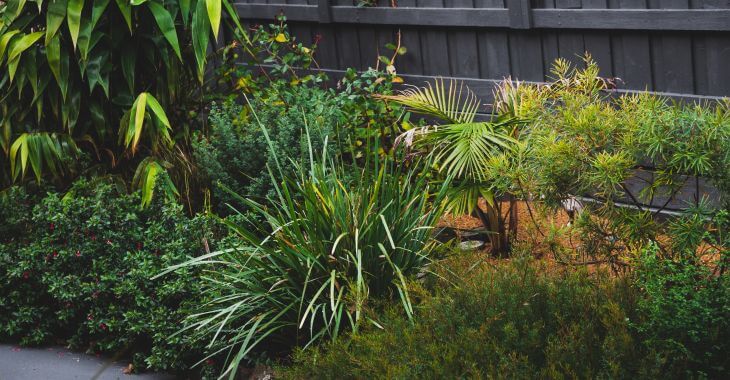
With ongoing climate shifts and rising water costs, native planting is more than a trend — it is a long-term investment in ecological health and outdoor beauty. Contact your local landscaper or landscape supplier to learn more about the benefits of native planting.