Grass in Flower Beds: How to Remove It and Keep It from Coming Back

Grass in flower beds can creep in from the lawn, spread through underground roots, or sprout from seed. Once it gets established, simply covering it usually will not keep the bed clear for long.
The most reliable approach is to remove existing growth, create a clear border, and make the bed less inviting to new grass and weeds.
Why Does Grass in Flower Beds Keep Coming Back?
Lawn grass can move into a flower bed from the edge, especially when runners cross bare soil or thin mulch. Some grasses also spread underground, which means new shoots may appear even after the visible blades are gone.
Grass may also return from roots left behind when the bed was created. Seeds can blow in, wash in with runoff, or land in disturbed soil where they have room to grow.
That is why grass in flower beds can feel like a problem that never really disappears. The source may be outside the bed, below the soil, or both.
Remove Existing Grass Before You Cover the Bed
If grass is already growing around flowers or shrubs, pull or dig it when the soil is workable. Try to remove as much of the root system as you can without damaging nearby plants.
Cutting off only the green blades may improve the appearance for a short time, but the grass can regrow if roots or runners remain below the surface.
Be careful with aggressive digging or tilling around established plants. Some spreading grasses can also regrow from small root or rhizome pieces left in the soil.
How Edging Helps Stop Grass in Flower Beds
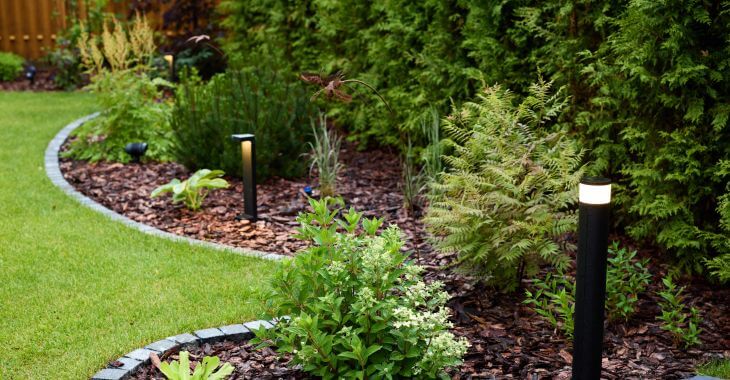
A defined border can help stop grass in flower beds by separating the lawn from the planting area. A clean edge makes it easier to see and remove runners before they move farther into the bed.
You can maintain a cut edge with regular trimming, or use physical edging to create a more permanent boundary. Either option still needs occasional inspection because grass can cross over the top or find gaps.
Edging works best as prevention. It will not remove grass that is already rooted throughout the bed.
The best way to control grass in flower beds is to remove existing growth and then make it harder for new grass and weeds to move back in.
Winning the Lawn Battle: Smart Weed Control for Healthier Landscapes
Weeds are more than just an eyesore in a lawn or garden. They compete with desirable plants for sunlight, nutrients, and water, often spreading quickly if left ...Read More about Winning the Lawn Battle: Smart Weed Control for Healthier Landscapes
Use Mulch to Prevent Weeds in Flower Beds
Mulch can help prevent weeds in flower beds by blocking light from many new seedlings and covering bare soil where seeds might otherwise germinate.
It works best after established grass and weeds have been removed. Spreading mulch over active perennial grass may hide the problem for a while, but determined shoots can still grow through weak spots.
Keep the layer moderate instead of piling it deeply. Pull mulch back from stems, crowns, and tree trunks so it does not trap excess moisture against plant tissue.
New weeds are easier to manage when you catch them early. Pulling them before they form deep roots or set seed can reduce how much work the bed needs later.
Why Grass Can Return After You Clean the Bed
Even a well-maintained bed can develop new grass. Small pieces of roots or runners may regrow, and lawn edges can slowly creep back if the border is not maintained.
Thin mulch, disturbed soil, and open spaces between plants can also give seeds a place to germinate. Wind, birds, pets, lawn equipment, and runoff can all move seeds into the bed.
What About Landscape Fabric?
Landscape fabric can suppress some new weeds, but it is not a permanent way to prevent weeds in flower beds. Soil, mulch, and organic debris eventually collect on top, creating a new place for seeds to grow.
Persistent grasses can also emerge through seams, planting holes, or bed edges. Fabric may become harder to work around as plants spread or new flowers are added.
When Grass in Flower Beds Needs a Different Approach
Occasional sprouts are usually a maintenance problem. Dense grass tangled through perennial roots or repeated invasion from surrounding lawn can be more difficult to handle without disturbing the bed.
If the same grass keeps returning after removal and edging, look at where it is entering. The border may be too shallow, the lawn may be spreading aggressively, or roots may already run through much of the bed.
In those cases, a landscaper can help evaluate the bed layout and the type of grass before major digging or plant removal begins.
Getting a Persistent Bed Problem Checked
Grass in flower beds is easier to manage when you deal with the source instead of only pulling whatever appears above ground.
If grass keeps returning despite regular removal, maintained edging, and mulch, compare local landscapers who can look at how the lawn and bed meet. A better border or a different bed design may reduce the amount of repeated cleanup.