The Complete Guide to Soil Aeration: Why It Matters and How to Get It Right
Soil aeration is one of the most effective ways to improve turf health, boost root growth, and help lawns recover from heavy use. By creating openings in the soil, aeration allows air, water, and nutrients to reach the roots more efficiently. Over time, this leads to stronger, greener turf.
Many homeowners overlook aeration, yet research shows that compacted soil can reduce water infiltration by up to 70% and limit nutrient movement. Without proper aeration, even well-fertilized lawns may fail to thrive.
Understanding how aeration works—and choosing the right method—is essential for long-term lawn health.
Why Soil Compaction Happens
Compaction happens when soil particles are pressed together. This occurs from foot traffic, equipment, or even natural settling. Studies indicate that urban soils are often twice as compacted as rural soils. When the soil is too dense, roots cannot spread, and grass becomes thin, stressed, or patchy.
Aeration reverses this process by opening channels in the soil. These openings increase the compaction recovery rate, helping the lawn bounce back more quickly. Grass responds with deeper roots and improved drought tolerance.
Core vs Spike Aerator: Which Method Works Best?
There are two primary aeration tools to consider: core vs spike aerator. They work differently and produce different results. Choosing the correct method depends on soil type, lawn condition, and long-term maintenance goals.
Core aerators remove plugs of soil, leaving behind holes. This reduces compaction at the source. Spike aerators simply push soil aside, which helps temporarily but may not deliver the same level of relief for dense soils.
Core aeration is preferred for most home lawns because it removes material. Removing soil breaks up compaction rather than shifting it. University research shows core aeration can improve turf density by up to 40% within a single growing season when combined with proper lawn care.
Homeowners often choose spike aeration for convenience. Spike tools are easier to use and require less cleanup. However, spikes may not help in clay-heavy soils. In dense clay, the soil pushed sideways can increase compaction. Spike aeration helps with surface airflow but offers limited deep relief.
Professional aeration services typically use deep core machines. These reach two to three inches into the soil. This depth supports greater moisture movement and helps reduce thatch buildup. Heavy thatch prevents water from reaching roots, so pairing aeration with dethatching improves results further.
To decide between core vs spike aerator tools, consider your lawn goals:
- Use core aeration for compacted soil
- Choose spike aeration for quick surface relief
- Combine aeration with overseeding for best results
- Repeat annually for consistent improvement
Using the right tool increases your lawn’s compaction recovery rate significantly. Well-aerated lawns absorb water more efficiently and resist runoff.
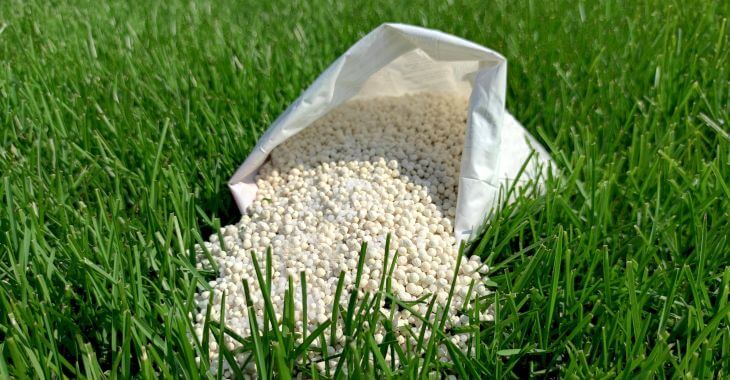
Lawn Fertilization: How to Build a Greener, Healthier Yard Year-Round
A beautiful, lush lawn doesn’t happen by accident — it’s the result of proper care, timing, and the right nutrients. Lawn fertilization is one of the most...Read More
Best Time to Aerate and How to Maximize Results
Timing is essential. Cool-season grasses benefit from fall and spring aeration. Warm-season grasses respond best in late spring and early summer. Aerating at the right time supports root expansion. It also allows nutrients and overseed blends to reach deeper layers.
Healthy roots allow grass to withstand stress from heat and drought. Early intervention saves time and helps maintain lawn vitality.
Aeration is Important for Dense Soils
Aeration is particularly important in lawns with clay soil. Clay compacts faster than sandy soil. In Minnesota, Ohio, and many northern states, clay-rich soil is common. This means the compaction recovery rate improves dramatically after aeration.
Clay soils show noticeable improvement within weeks of treatment. Aeration opens clay soils so roots can grow and breathe freely.
Signs Aeration Is Needed
There are clear signs a lawn needs aeration. These include standing water, hard soil, thinning growth, or visible dry patches. If a screwdriver cannot easily penetrate the ground, compaction is likely. Regular aeration helps prevent these conditions from returning.
Homeowners who aerate annually often see long-lasting improvements. Benefits include stronger roots, better color, and increased resilience during summer stress. Aeration also supports microbial activity. Microbes help break down organic matter naturally, creating healthier soil structure.
Post-Aeration Care: Overseeding, Topdressing & Fertilizing
After aeration, consider overseeding. Grass seed germinates best when it falls into the aeration holes. Moisture stays in contact with seed longer, increasing germination rates by up to 25%. Fertilizing after aeration also helps nutrients reach deeper layers quickly.
Topdressing pairs well with core aeration for maximum improvement. Combined treatments deliver thicker, healthier turf.
Topdressing with compost after aeration adds organic matter to the soil. Compost improves nutrient retention and soil structure. When applied correctly, compost can increase soil water-holding capacity by 10% or more. This helps lawns stay hydrated between rains.
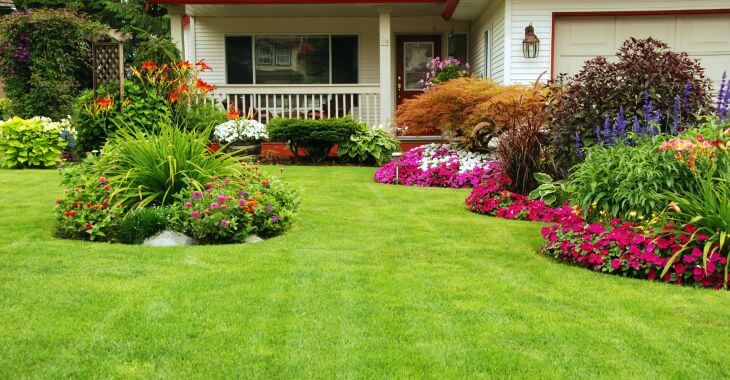
Keep Your Lawn Healthy with Aeration
Soil aeration is one of the most important steps in maintaining a healthy, thriving lawn. Whether you use a core aerator or spike tool, improving airflow and reducing compaction strengthens your turf from the ground up. Pairing aeration with overseeding and proper fertilization creates meaningful, lasting results.
A consistent aeration schedule ensures your lawn remains resilient, vibrant, and ready to handle seasonal stresses.