Rooted in Strength: A Practical Guide to Smarter Tree Care
Healthy trees add beauty, shade, and measurable value to your property. Studies show mature trees can increase home value by up to 15 percent. They also cool neighborhoods, lower energy costs, and improve air quality, but trees are living structures that require regular attention.
Without proper tree care, small issues can grow into safety hazards or costly removals. It is important to understand how investing in tree maintenance can protect your beautiful trees and help them live on for decades.
Why Tree Care Makes a Difference
Trees provide more than curb appeal for homes and neighborhoods. The U.S. Forest Service reports that urban trees reduce stormwater runoff, filter pollutants, and lower surface temperatures. A single mature tree can also absorb over 40 pounds of carbon dioxide per year.
To keep trees healthy, they need ongoing tree care. Neglected trees may develop decay, weak branch unions, or root instability. Proactive tree care protects your landscape, safety, and bank account, preventing unexpected, often expensive, emergency tree services.
Understanding Tree Health Basics
Tree health depends on soil quality, moisture levels, sunlight, and structural integrity. Compacted soil and poor drainage are common stressors in residential areas. Stress weakens a tree’s natural defenses against pests and disease.
Common signs of decline include:
- Dead or hanging branches
- Cracks in the trunk
- Fungal growth at the base
- Sparse leaf growth
- Leaning or shifting soil around roots
Early intervention often prevents larger structural issues later, which can result in falling branches, uprooted trees, and other serious tree concerns.
Pruning vs Cabling Support
Homeowners often ask about pruning vs cabling support when investigating routine tree maintenance. While both are important tools in tree care, they serve different purposes.
Pruning removes dead, diseased, or poorly positioned branches. Proper pruning improves airflow, reduces weight stress, and enhances structure. Studies suggest regular pruning can significantly lower branch failure rates during storms.
Cabling and bracing provide structural reinforcement. Steel cables or rods are installed to support weak branch unions or split trunks. This approach helps redistribute mechanical stress without removing major limbs.
Choosing between pruning vs cabling support depends on the tree’s condition. In many cases, both methods are used together for optimal stability, especially through storms and changing seasons.
Structural Failure Risk Factors
Tree failure rarely happens without warning. Understanding structural failure risk factors allows property owners to take preventive steps.
Common risk factors include:
- Large cavities or internal decay
- Co-dominant stems with weak attachments
- Root damage from construction
- Excessive canopy weight
- Poor pruning practices
Research from arboriculture studies shows that trees with co-dominant stems are more prone to splitting under wind pressure. Severe weather events further increase the likelihood of failure. Regular inspections of trees on your property can reduce risk and extend the life of mature trees.
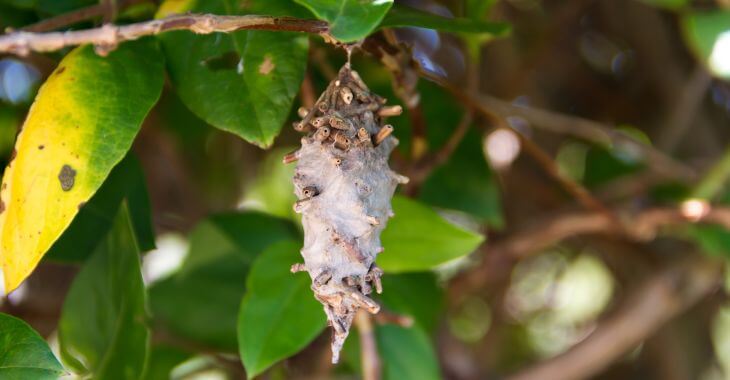
How to Kill Bagworms on Trees
Bagworms are destructive pests that can wreak havoc on trees, especially evergreens. Left untreated, these pests can cause significant damage, defoliating trees...Read More
Seasonal Tree Care Strategies
Each season presents unique challenges. Spring is ideal for inspecting winter damage and planning pruning. Summer requires monitoring for drought stress and pest activity.
Fall is a good time to assess structural balance before winter storms. Winter pruning can be effective because leafless branches reveal structural weaknesses.
Consistent tree care throughout the year supports long-term health and safety.
The Role of Proper Watering and Soil Health
Watering practices greatly influence tree vitality. Overwatering can suffocate roots, while drought conditions limit nutrient uptake. Most established trees benefit from deep, infrequent watering rather than shallow daily irrigation.
Mulching helps regulate soil temperature and retain moisture. A two- to three-inch layer of mulch around the base reduces weed competition and root stress. Avoid piling mulch against the trunk, which may promote decay.
Healthy soil supports strong root systems, and strong roots anchor the entire tree.
When Tree Removal Is Necessary
Despite careful maintenance, some trees become too compromised to save. Extensive decay, severe lean, or advanced root damage may make removal the safest option.
According to insurance industry data, falling trees and limbs cause millions of dollars in property damage each year. Addressing hazardous trees early reduces liability and repair costs for home and business owners alike.
A professional evaluation can determine whether preservation or removal is appropriate. Hiring a tree or landscaping specialist can provide you with personalized, professional advice to preserve and protect your trees.
Long-Term Value of Professional Tree Care
Professional tree care offers more than aesthetic benefits. Healthy trees can reduce household cooling costs by up to 25 percent by providing shade. They also enhance neighborhood appeal and environmental quality.
Routine inspections, strategic pruning, and structural support measures protect your investment. By addressing structural failure risk factors early, you preserve tree health and prevent service emergencies.
Caring for trees is a long-term commitment. With proper attention and informed decisions about pruning vs cabling support, you can maintain strong, beautiful trees for generations. To learn more, contact a local arborist or landscape specialist to schedule a tree care consultation.