Mulch Breakdown: What Happens as Mulch Ages in Landscape Beds

Mulch breakdown happens naturally as organic mulch changes over time. As mulch ages, you’ll notice it fading, settling, thinning out, growing fungi, or turning darker and more soil-like near the surface.
Most of these changes are normal. Still, mulch can cause problems if it gets too deep, stays too wet, touches plant stems, or gets mixed into the soil in ways that affect nearby roots.
What Mulch Breakdown Usually Looks Like
Fresh mulch usually looks even, clean, and bright when you first spread it. Over time, weather, moisture, and soil organisms start to change how it looks and feels.
As mulch breakdown happens, larger pieces break down into smaller ones, the color fades, and the layer can look thinner than when you first installed it. Older mulch might also settle into low spots or mix lightly with the top of the soil.
Why Mulch Breakdown Can Help Soil Over Time
As organic mulch breaks down, it adds small amounts of organic matter to the soil surface. Over time, it can help improve soil texture, moisture balance, and root-zone conditions.
Mulch also helps protect bare soil from drying out too quickly, reduces splashing during rain, and helps keep planted areas more stable through hot, dry, or wet weather.
Still, mulch breakdown won’t replace good soil care. Your plants may still need proper watering, drainage, pruning, and fertilization, depending on their condition and the type of bed you have.
Why Nitrogen Drawdown in Fresh Mulch Can Be Misunderstood
Nitrogen drawdown in fresh mulch can sound alarming, but the risk depends on how you use the mulch. Microbes need nitrogen as they break down fresh wood, especially when that material is mixed into the soil.
Surface mulch usually causes less concern than fresh wood chips, sawdust, or bark mixed directly into planting soil. When fresh material sits on top, most of the breakdown happens near the surface.
For this reason, landscapers usually avoid mixing fresh mulch deeply into garden beds. If your plants look yellow or weak, the cause could be moisture, roots, soil pH, pests, or nutrition, not just the mulch.
Understanding Fungal Growth vs Beneficial Mycelium
You may notice mushrooms, white threads, or fuzzy-looking growth during mulch breakdown. It can look strange, but fungi often help break down wood and other organic material.
Understanding fungal growth vs beneficial mycelium helps you avoid panic. Mycelium is the threadlike body of many fungi, and it may appear as white strands through mulch when conditions are moist.
Not every growth in mulch is a problem. Still, if you notice sour smells, slimy mats, heavy crusting, or plants declining in the same area, your bed may need attention.
What Are the Alternatives to Mulch?
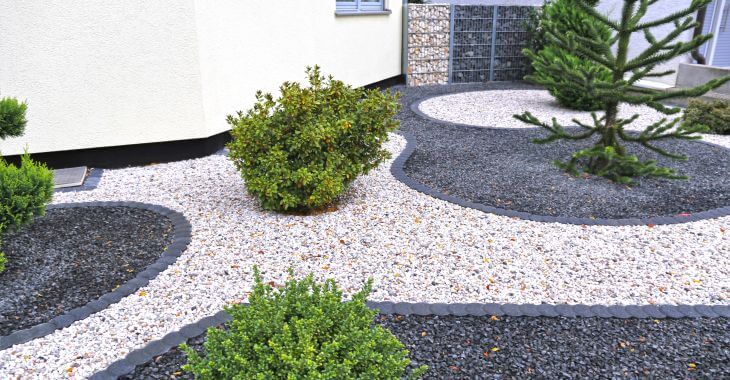
Mulch is a popular choice for keeping weeds down and moisture in, but it’s not the only option. Whether you’re maintaining curb appeal, prioritizing pet...Read More about What Are the Alternatives to Mulch?
When Mulch Breakdown Becomes a Problem
Mulch can cause problems if the layer gets too thick. Deep mulch holds moisture against stems, trunks, crowns, or shallow roots, especially after heavy rain.
Don’t pile mulch against tree trunks or shrub stems. That buildup keeps bark too wet and makes it harder to spot early signs of plant stress.
Matted mulch can block water from soaking in evenly. If the surface forms a crust, rain might run off instead of reaching the soil below.
Healthy mulch breakdown supports your bed over time; it shouldn’t smother plants, trap extra moisture, or create new soil problems.
How to Manage Mulch Breakdown Without Overdoing It
Before you add more mulch, check how deep the existing layer is. If your bed already has enough mulch, it might just need loosening or a bit of refreshing.
If the mulch is compacted, rake it gently to promote airflow and break up matted spots. Pull mulch back from trunks, stems, and plant crowns so those areas can dry out more easily.
You don’t always need to remove old mulch; if it’s breaking down normally and the bed drains well, a thin refresh may be enough to restore coverage and appearance.
What to Ask Before Adding More Mulch
If you’re comparing landscapers, ask how they check the bed before adding new material. A good review considers depth, moisture, plant health, drainage, and old mulch buildup.
Useful questions can be things like:
- How deep is the existing mulch?
- Should old mulch be loosened or removed first?
- Is mulch touching trunks, stems, or crowns?
- Is the bed draining the way it should?
- What mulch type fits this planting area?
These questions help you avoid covering up a problem with a fresh layer. They also show if a landscaper is looking at the whole bed or just the color of the mulch.
Getting a Mulch Bed Checked
Mulch breakdown is usually just part of normal bed maintenance. It’s time to take a closer look if mulch stays wet, smells sour, forms mats, or sits too close to your plants.
If you’re not sure whether your mulch bed needs a refresh, removal, or a closer look at plant health, compare local landscapers who handle mulch installation and bed maintenance. Ask how they check depth, drainage, and unusual growth.