Seasonal Cleanup: Smarter Yard Care for Healthier Landscapes Year-Round
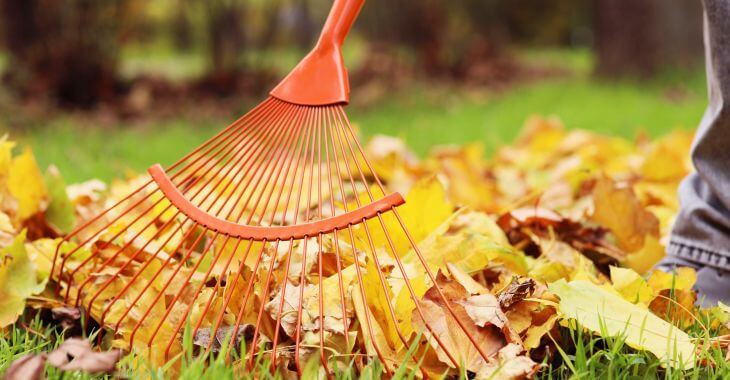
Seasonal cleanup is more than just tidying up your yard. It plays a key role in maintaining plant health, preventing pests, and preparing your landscape for the months ahead. Whether it’s fall leaves or spring debris, consistent cleanup keeps your outdoor space looking its best while supporting long-term growth.
A well-maintained yard doesn’t happen by accident. According to industry data, regular yard maintenance can increase property value by up to 10–15%. Seasonal cleanup helps protect that investment while reducing issues like lawn disease, drainage problems, and plant damage.
Why Seasonal Cleanup Matters
Each season brings its own challenges. In autumn, falling leaves can smother your lawn. In spring, leftover debris can block sunlight and slow new growth. Without proper cleanup, these natural cycles can negatively impact your landscape’s health.
Beyond appearance, seasonal cleanup improves soil conditions and encourages stronger root systems. Removing excess debris allows air, water, and nutrients to reach the soil more effectively, which is essential for maintaining a healthy lawn and garden.
Neglecting seasonal cleanup can also lead to pest problems. Piles of leaves and organic debris create ideal hiding spots for insects and rodents. Keeping your yard clean reduces these risks and helps maintain a safer, more enjoyable outdoor space.
Leaf Removal vs Leaf Mulching
One of the biggest decisions during fall cleanup is choosing between leaf removal vs. leaf mulching. Both methods have benefits, and the right choice depends on your lawn’s condition and your overall goals.
Leaf removal involves collecting and disposing of leaves to keep your lawn clear. This is often the best option when leaves are thick enough to block sunlight or create a soggy layer that can damage grass.
Leaf mulching, on the other hand, involves shredding leaves into smaller pieces and leaving them on the lawn. This method supports nutrient recycling in autumn by returning organic matter to the soil.
Here’s a quick comparison:
- Leaf removal helps prevent mold, pests, and lawn suffocation
- Leaf mulching improves soil quality and reduces the need for fertilizers
- Heavy leaf buildup may require removal before mulching can be effective
- Mulched leaves decompose quickly and add valuable nutrients to your lawn
Studies show that mulched leaves can provide up to 25% of your lawn’s annual nutrient needs. This makes mulching an eco-friendly and cost-effective option when done properly.
The Role of Nutrient Recycling in Autumn
Nutrient recycling in autumn is one of the most overlooked benefits of seasonal cleanup. When organic material like leaves breaks down, it returns essential nutrients such as nitrogen, phosphorus, and potassium back into the soil.
This natural process supports healthier grass and reduces the need for chemical fertilizers. In fact, properly mulched leaves can improve soil structure, increase moisture retention, and encourage beneficial microbial activity.
However, balance is key. Too many leaves left on the lawn can block sunlight and create a breeding ground for disease. That’s why combining leaf removal and mulching is often the most effective strategy.

From Trash to Treasure: The Real Power of Composting
Composting is one of the simplest and most impactful ways to reduce household waste while improving soil health. Instead of sending organic materials to landfil...Read More about From Trash to Treasure: The Real Power of Composting
What’s Included in a Seasonal Cleanup
A thorough seasonal cleanup goes beyond just leaves. It addresses all aspects of your landscape to ensure it’s ready for the next season.
Typical services include:
- Leaf removal or mulching
- Clearing branches, debris, and dead plants
- Lawn mowing and edging
- Gutter cleaning to prevent water buildup
- Preparing garden beds for winter or new growth
- Pruning shrubs and small trees
These steps help maintain a clean, functional, and visually appealing yard while preventing common seasonal issues.
Timing Is Everything
Knowing when to schedule your seasonal cleanup can make a big difference. For fall, it’s best to start once the majority of leaves have fallen but before the first heavy frost. This ensures your lawn isn’t left covered for too long.
In spring, cleanup should happen early enough to remove winter debris but late enough to avoid damaging new growth. Proper timing allows your lawn and plants to transition smoothly between seasons.
Regular maintenance throughout the year can reduce the workload during major cleanups. Instead of dealing with overwhelming debris, you’ll be managing smaller, more manageable tasks.
Long-Term Benefits of Seasonal Cleanup
Consistent seasonal cleanup offers long-term advantages that go beyond immediate results. Healthier soil, stronger plants, and fewer pests all contribute to a more resilient landscape.
It also saves time and money over time. Preventative care reduces the need for expensive treatments and repairs. For example, addressing drainage issues early can prevent water damage and erosion later.
Homeowners who invest in regular cleanup often find that their lawns require less watering, fewer chemicals, and less intensive care overall. It’s a simple way to create a more sustainable and efficient outdoor space.
A Cleaner Yard, A Healthier Landscape
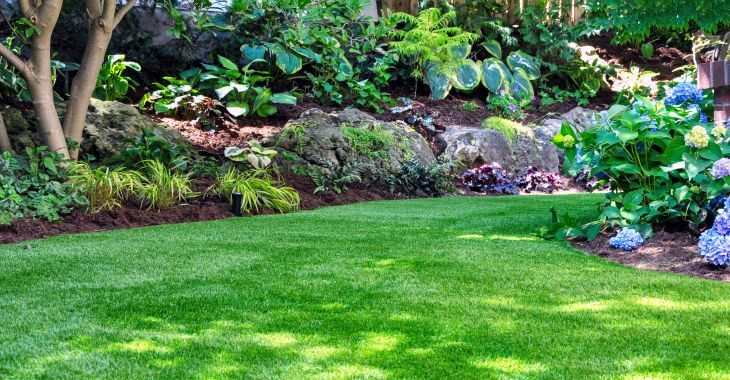
Seasonal cleanup is one of the most effective ways to protect and enhance your yard. By understanding options like leaf removal vs leaf mulching and embracing nutrient recycling in autumn, you can make smarter decisions for your landscape.
With the right approach, your yard can stay healthy, attractive, and ready for whatever the next season brings. A little effort now goes a long way toward long-term results.