Lawn Fertilization: How to Build a Greener, Healthier Yard Year-Round
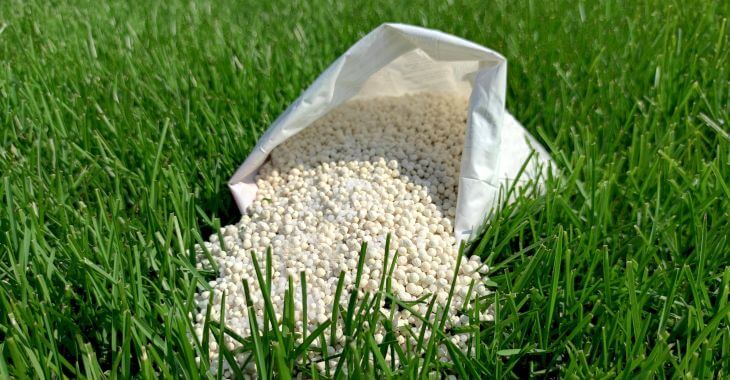
A beautiful, lush lawn doesn’t happen by accident — it’s the result of proper care, timing, and the right nutrients. Lawn fertilization is one of the most important steps in achieving that deep green color and thick turf that stands up to weeds, pests, and drought.
When your grass receives balanced nutrients, it grows stronger roots, develops richer color, and recovers faster from stress. Fertilizing properly means understanding organic vs synthetic fertilizer, the differences between slow-release vs quick-release nitrogen, and how seasonal timing affects results.
Why Lawn Fertilization Matters
Grass, like any living organism, needs food to thrive. Over time, soil nutrients are depleted through watering, mowing, and natural use. Lawn fertilization replenishes essential elements such as:
- Nitrogen (N): Encourages lush green growth
- Phosphorus (P): Strengthens roots and seedling development
- Potassium (K): Improves overall stress tolerance
According to the University of Minnesota Extension, most lawns benefit from at least two fertilizer applications per year. A well-fed lawn not only looks better but also prevents weeds and erosion by growing denser, more resilient turf.
Understanding Organic vs Synthetic Fertilizer
When planning a fertilization routine, it’s important to choose between organic vs synthetic fertilizer. Each has its advantages depending on your goals and soil conditions.
Organic Fertilizer:
- Made from natural sources like compost, manure, and bone meal
- Improves soil structure and microbial activity
- Releases nutrients slowly and safely over time
- Eco-friendly and ideal for sustainable lawn care
Synthetic Fertilizer:
- Chemically manufactured for precise nutrient ratios
- Delivers quick, visible results
- Easy to measure and apply for specific lawn needs
- May increase salt buildup with overuse
While synthetic fertilizers often work faster, organic options build long-term soil health. Many homeowners use a combination of both to achieve fast color improvement and lasting soil enrichment.
The Science of Nitrogen: Slow-Release vs Quick-Release
The most critical nutrient in lawn fertilization is nitrogen. It fuels chlorophyll production, which gives grass its green color. However, not all nitrogen sources are the same — knowing the difference between slow-release vs quick-release nitrogen helps you get the best results.
Slow-Release Nitrogen:
- Provides a steady nutrient supply over several weeks
- Reduces the risk of “burning” your grass
- Promotes consistent growth and deeper roots
- Requires fewer applications per year
Quick-Release Nitrogen:
- Produces fast greening and visible results in days
- Best for lawns that need an immediate boost
- Can leach into groundwater if overapplied
- Requires careful timing and frequent reapplication
According to research from the University of Florida IFAS Extension, using slow-release nitrogen fertilizers can reduce nutrient runoff by up to 30%, making them both effective and environmentally responsible.
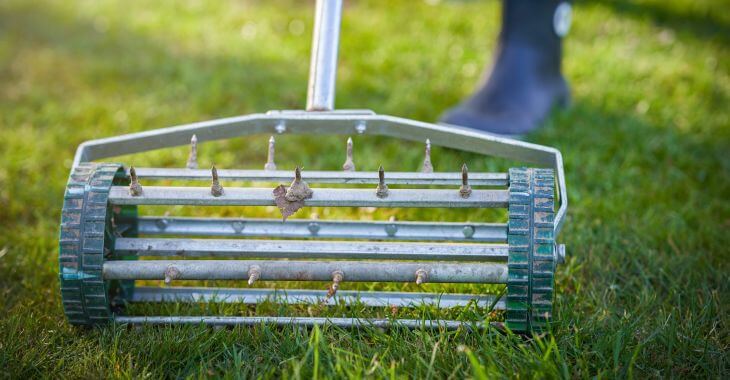
What Are the Benefits of Lawn Aeration?
Lawn aeration is one of the most effective ways to keep grass healthy and vibrant. By creating small holes in the soil, aeration improves airflow, boosts water ...Read More
When and How to Fertilize
Timing is everything in lawn fertilization. Applying fertilizer at the wrong time can waste product or even damage your grass.
For cool-season grasses (like fescue and bluegrass):
- Early Spring: Stimulate recovery from winter dormancy
- Late Spring: Strengthen root growth before summer heat
- Fall: Restore nutrients lost during summer and prepare for winter
For warm-season grasses (like Bermuda and zoysia):
- Late Spring to Early Summer: Encourage strong green growth
- Mid to Late Summer: Maintain color and density
- Early Fall: Build root reserves before cooler weather
Always water after fertilizing to help nutrients absorb into the soil. Most lawns need around 1 inch of water per week, including rainfall, to ensure even nutrient distribution.
Common Mistakes in Lawn Fertilization
Even experienced homeowners can make fertilization mistakes. Avoid these common errors for healthier turf:
- Over-fertilizing: Causes excessive growth, thatch buildup, and water pollution
- Using the wrong ratio: Each lawn type requires different N-P-K ratios
- Ignoring soil testing: A soil test every 2–3 years ensures correct nutrient balance
- Skipping watering: Without moisture, nutrients can’t reach roots
The Environmental Protection Agency (EPA) notes that over 40% of residential fertilizer runoff contributes to local water pollution — proper application and timing protect both your lawn and the environment.
Tips for a Healthy, Sustainable Lawn
To maintain a vibrant yard year-round, follow these essential fertilization tips:
- Test your soil before choosing a fertilizer type or ratio
- Use slow-release nitrogen to minimize runoff and promote steady growth
- Mow regularly at the right height (2.5–3.5 inches for most grasses)
- Aerate annually to improve soil oxygen and nutrient absorption
- Consider organic options for long-term soil health and sustainability
Combining these practices with balanced lawn fertilization ensures your yard stays green, healthy, and environmentally friendly.
The Long-Term Benefits of Proper Lawn Fertilization
Consistent fertilization leads to stronger, thicker grass that naturally resists weeds, disease, and drought. A well-fed lawn not only improves curb appeal but also contributes to a healthier ecosystem.
According to the National Association of Landscape Professionals, a healthy lawn can:
- Absorb up to 12 million tons of dust and pollutants annually
- Lower surrounding air temperatures by several degrees
- Improve property value by 10–15%
Whether you choose organic vs synthetic fertilizer or balance slow-release vs quick-release nitrogen, the goal is the same: a green, thriving lawn that lasts all season long.
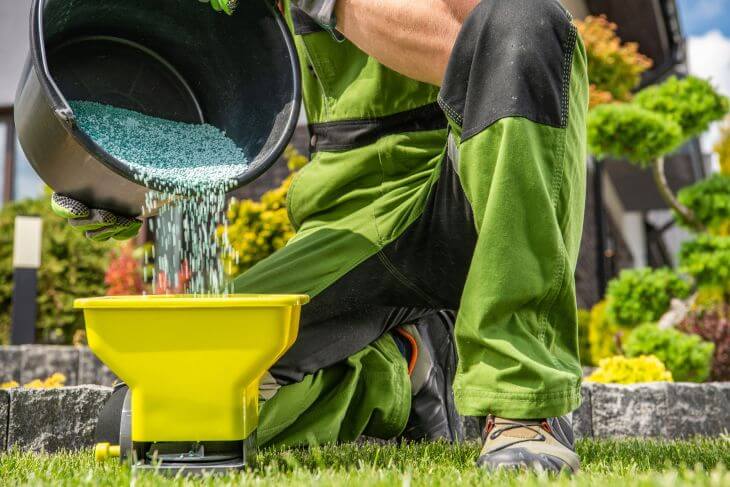
Lawn fertilization isn’t just about achieving a quick green-up — it’s about building lasting soil health and promoting sustainable growth. By understanding the science behind fertilizer types, timing, and nitrogen sources, you can keep your lawn looking its best year after year.