From Trash to Treasure: The Real Power of Composting
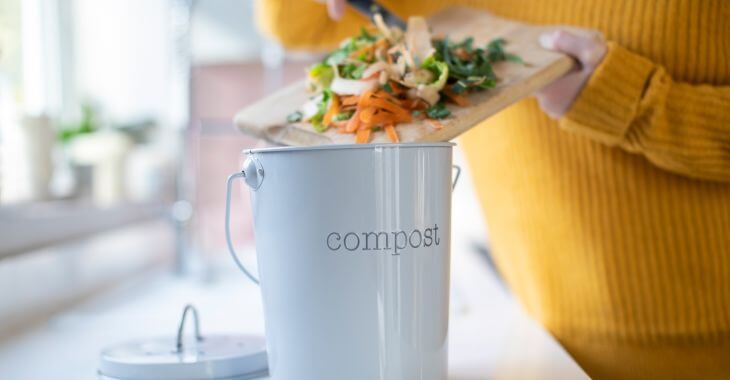
Composting is one of the simplest and most impactful ways to reduce household waste while improving soil health. Instead of sending organic materials to landfills, composting transforms them into a nutrient-rich resource that supports plant growth and sustainability.
In the United States, food waste accounts for nearly 30–40% of the total food supply, according to the EPA. Much of this ends up in landfills, where it produces methane, a greenhouse gas over 25 times more potent than carbon dioxide.
What Is Composting and Why It Matters
Composting is the natural process of breaking down organic materials like food scraps and yard waste into a dark, soil-like substance called humus. This process relies on microorganisms, oxygen, and moisture to convert waste into usable nutrients.
The benefits go beyond waste reduction. Compost improves soil structure, enhances water retention, and adds essential nutrients. Studies show compost-enriched soil can retain significantly more moisture, helping plants grow stronger and reducing the need for frequent watering.
Kitchen Scraps vs Yard Waste Compost
Understanding the difference between kitchen scraps vs yard waste compost is essential for creating an effective compost system. Each type of material plays a unique role in the decomposition process.
Kitchen scraps are typically “green” materials, meaning they are high in nitrogen. These break down quickly and provide the proteins needed for microbial activity. Common examples include fruit peels, vegetable scraps, coffee grounds, and eggshells.
Yard waste is considered “brown” material, which is high in carbon. These items break down more slowly and provide energy for microorganisms. Examples include dry leaves, grass clippings, small branches, and straw.
A healthy compost pile requires a thoughtful mix of both. Too many kitchen scraps can create odors, while too much yard waste can slow the process significantly.
The Importance of Nitrogen to Carbon Ratio Balance
A key factor in successful composting is maintaining the proper nitrogen-to-carbon ratio balance. Microorganisms depend on both elements to efficiently break down organic matter.
The ideal ratio is generally around 25–30 parts carbon to 1 part nitrogen. Carbon fuels energy, while nitrogen supports growth and reproduction of microbes. When the balance is right, compost breaks down faster and produces better results.
If your compost pile smells unpleasant, it may have too much nitrogen. If it seems dry and slow to decompose, it likely needs more nitrogen-rich material. Adjusting the nitrogen-to-carbon ratio balance keeps the system active and healthy.
Best Compost for Vegetable Garden Soil: What You Need to Know
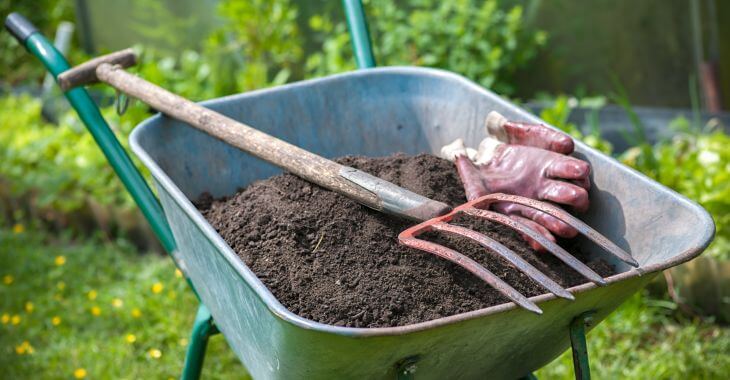
Finding the best compost for a vegetable garden is paramount for healthy plant growth and bountiful harvests. Understanding the different types of compost and s...Read More about Best Compost for Vegetable Garden Soil: What You Need to Know
How to Start Composting at Home
Getting started with composting does not require a large investment or complicated setup. Whether you live in a house or an apartment, there are options to fit your space.
To begin composting:
- Choose a compost bin or designate a space outdoors
- Add alternating layers of kitchen scraps and yard waste
- Keep the pile damp but not overly wet
- Turn or mix the pile regularly to introduce oxygen
- Monitor and adjust the nitrogen-to-carbon ratio balance
Even a small compost system can reduce household waste by hundreds of pounds each year. Over time, you’ll create a rich soil amendment that can be used in gardens, landscaping, or indoor plants.
What Should and Should Not Be Composted
Knowing what to include and what to avoid is essential for maintaining a healthy compost pile. While many organic materials are suitable, some can cause problems.
You can safely compost:
- Fruit and vegetable scraps
- Coffee grounds and tea bags
- Eggshells
- Leaves and grass clippings
You should avoid composting:
- Meat and dairy products
- Oily or greasy foods
- Pet waste
- Diseased plants or chemically treated materials
Avoiding these items helps prevent odors, pests, and contamination, ensuring your compost remains effective and safe to use.
Environmental Impact of Composting
Composting has a significant environmental impact. Organic waste in landfills decomposes without oxygen, producing methane. Composting, however, is an aerobic process that greatly reduces greenhouse gas emissions.
The EPA reports that composting and food waste diversion prevented millions of metric tons of carbon dioxide equivalent emissions in recent years. This demonstrates how small, everyday actions can contribute to larger environmental solutions.
In addition, composting reduces the need for chemical fertilizers. Healthier soil supports stronger plants, improves biodiversity, and promotes sustainable agriculture practices.
Composting as a Long-Term Habit
Building a composting routine takes time, but the long-term benefits are well worth the effort. Once established, a compost system becomes a natural part of your household routine, turning waste into a valuable resource.
Over time, you’ll notice improved soil quality, healthier plants, and reduced reliance on store-bought fertilizers. Composting also encourages greater awareness of waste habits, leading to more sustainable lifestyle choices overall.
Turning Waste Into Opportunity
Composting is a practical, accessible way to make a positive environmental impact. By understanding the role of kitchen scraps vs yard waste compost and maintaining the proper nitrogen-to-carbon ratio balance, anyone can create a successful system.
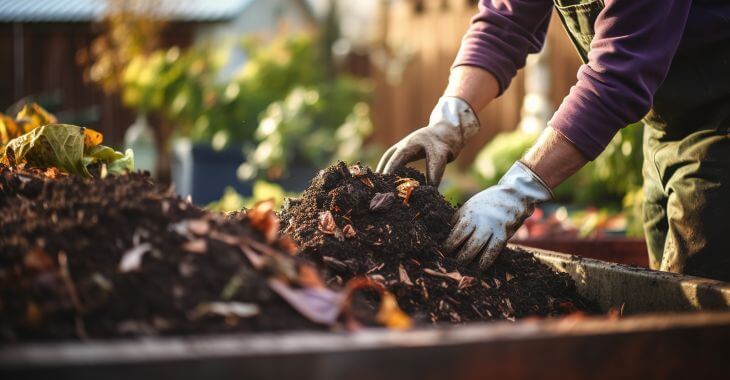
With consistent effort, composting transforms everyday waste into something beneficial. It supports healthier soil, reduces landfill use, and contributes to a more sustainable future, one small step at a time.