Winning the Lawn Battle: Smart Weed Control for Healthier Landscapes
Weeds are more than just an eyesore in a lawn or garden. They compete with desirable plants for sunlight, nutrients, and water, often spreading quickly if left untreated. Effective weed control helps protect turf health, maintain curb appeal, and support stronger plant growth.
Across the United States, homeowners and property managers spend billions each year maintaining lawns and landscapes. According to industry estimates, more than $40 billion is spent annually on lawn care services and products, with weed management playing a major role in that effort.
Why Weeds Spread So Quickly
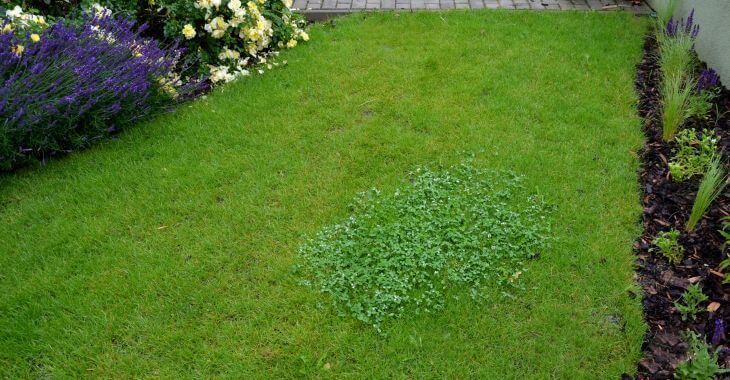
Weeds are resilient plants designed to grow in difficult conditions. Many species produce thousands of seeds each season, allowing them to spread rapidly through lawns, flower beds, and landscapes. Even small infestations can expand quickly if they are not addressed early.
Some weeds also have deep root systems that help them survive drought and poor soil conditions. Because of this adaptability, they can easily outcompete grass and ornamental plants, making consistent weed control essential to lawn care.
Common Types of Lawn Weeds
Different weed species require different control strategies. Identifying the type of weed present is often the first step in choosing the most effective treatment.
Common lawn weeds include:
- Broadleaf weeds such as dandelions, clover, and chickweed
- Grassy weeds like crabgrass and goosegrass
- Sedge weeds, including nutsedge, which thrive in moist conditions
Each category responds differently to herbicides and management techniques, making proper identification important for successful control.
The Importance of Early Weed Prevention
One of the most effective ways to manage weeds is to prevent them from growing in the first place. Prevention strategies target weeds during their earliest growth stages, before they emerge from the soil.
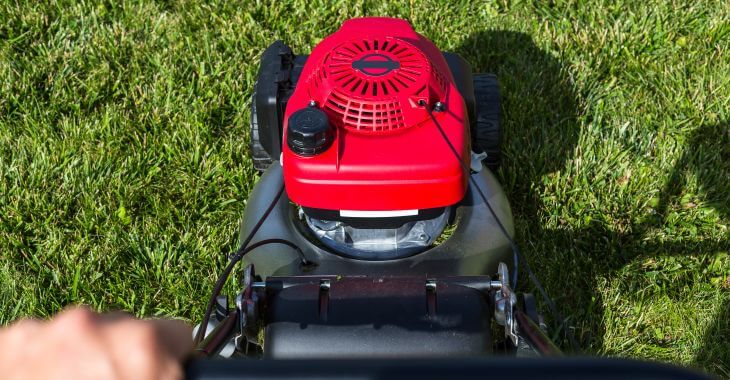
Healthy turf is naturally better at resisting weed invasion. Thick grass shades the soil surface and reduces the amount of space available for weeds to establish themselves. Maintaining proper mowing height, watering schedules, and soil health can significantly improve natural weed resistance.
However, many lawns still benefit from herbicide applications designed to stop weeds before they become visible.
Understanding Pre-Emergent vs Post-Emergent Herbicide
A common question in lawn care is the difference between pre-emergent vs post-emergent herbicide treatments. Both play important roles in comprehensive weed control programs, but they work in different ways.
Pre-emergent herbicides are applied before weed seeds germinate. These treatments create a protective barrier in the soil that prevents new weeds from developing roots and shoots.
Pre-emergent treatments are commonly used to control seasonal weeds such as crabgrass. Timing is critical, as these products must be applied before the weeds begin to grow.
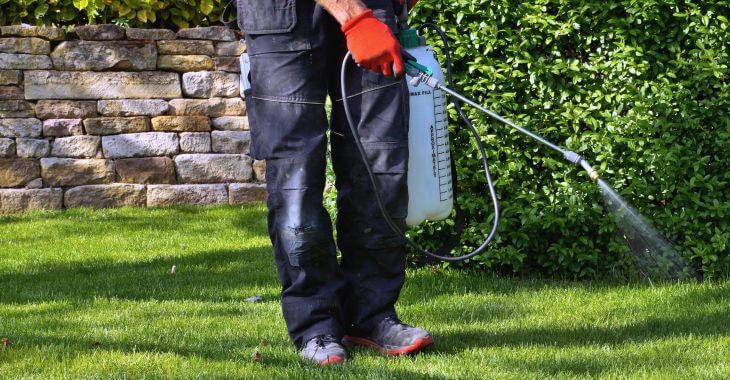
Post-emergent herbicides, on the other hand, are designed to eliminate weeds that are already visible above the soil. These treatments target existing plants and disrupt their growth processes.
Post-emergent treatments may be selective or non-selective:
- Selective herbicides kill weeds while leaving grass unharmed
- Non-selective herbicides eliminate most plant material they contact
Combining both approaches often produces the most effective long-term results.
How to Get Rid of Common Spring Weeds
Every landscaper and DIY homeowner knows that it takes diligence to keep weeds out of your lawn, garden and landscaped areas. Even in the early spring, weeds ar...Read More about How to Get Rid of Common Spring Weeds
Integrated Weed Control Strategies
Modern lawn care increasingly focuses on integrated strategies rather than relying on a single solution. Combining prevention, proper lawn maintenance, and targeted treatments can significantly improve outcomes.
Effective weed management often includes:
- Proper mowing height to strengthen turf grass
- Balanced fertilization to promote healthy growth
- Aeration to improve soil structure and root development
- Targeted herbicide applications when needed
Research has shown that dense, well-maintained turf can reduce weed populations by up to 50% compared to thin or stressed lawns.
Environmental Considerations in Weed Control
As lawn care practices evolve, many homeowners are also concerned about environmental impacts. One important factor to consider is environmental runoff impact, which occurs when rain or irrigation washes chemicals into nearby soil, waterways, or storm drains.
Improper herbicide application can increase runoff risks, particularly if treatments are applied before heavy rainfall or used at excessive rates.
Responsible weed management helps reduce environmental concerns by focusing on proper timing, accurate application, and targeted treatments.
Some best practices for reducing environmental runoff impact include:
- Applying herbicides only when needed
- Following recommended application rates
- Avoiding treatments before heavy rain
- Maintaining healthy soil to improve absorption
These strategies allow effective weed control while helping protect surrounding ecosystems.
Long-Term Benefits of Consistent Weed Management
Consistent weed control helps lawns remain healthier and more attractive year after year. A well-maintained lawn also provides several additional benefits beyond appearance.
Healthy turf can:
- Reduce soil erosion
- Improve outdoor air quality
- Help cool surrounding areas during hot weather
- Provide a safer and more comfortable outdoor environment
According to environmental research, a healthy lawn can produce enough oxygen each day to support the needs of a family of four.
Creating a Balanced Weed Control Plan
Successful weed management requires a thoughtful balance of prevention, maintenance, and targeted treatments. Understanding how different herbicides work, including the difference between pre-emergent vs post-emergent herbicide, allows property owners to choose the right approach.
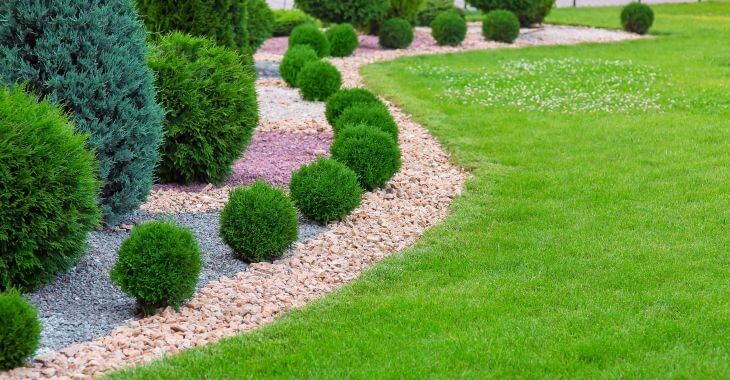
By focusing on proper lawn care practices and minimizing environmental runoff impact, homeowners can maintain healthier lawns while protecting nearby ecosystems.
With the right combination of techniques, effective weed control becomes less about constant treatment and more about creating the conditions where grass thrives and weeds struggle to grow.